
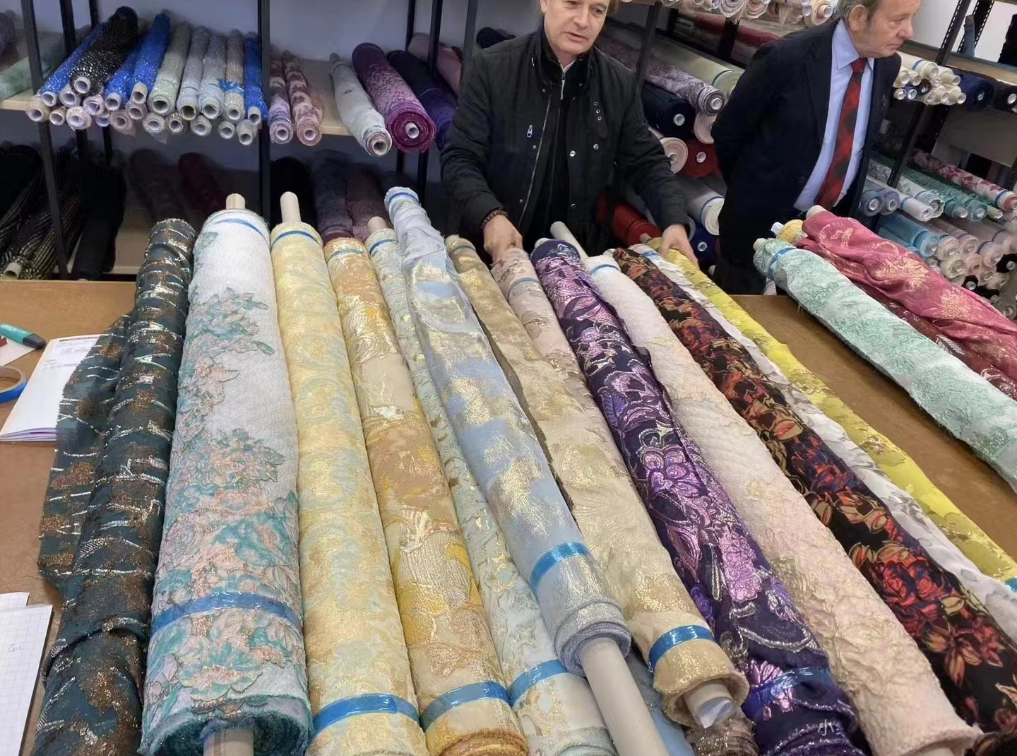
How Specifications, Cost & MOQ are Affected by Fabric Sizes: A Practical Analysis
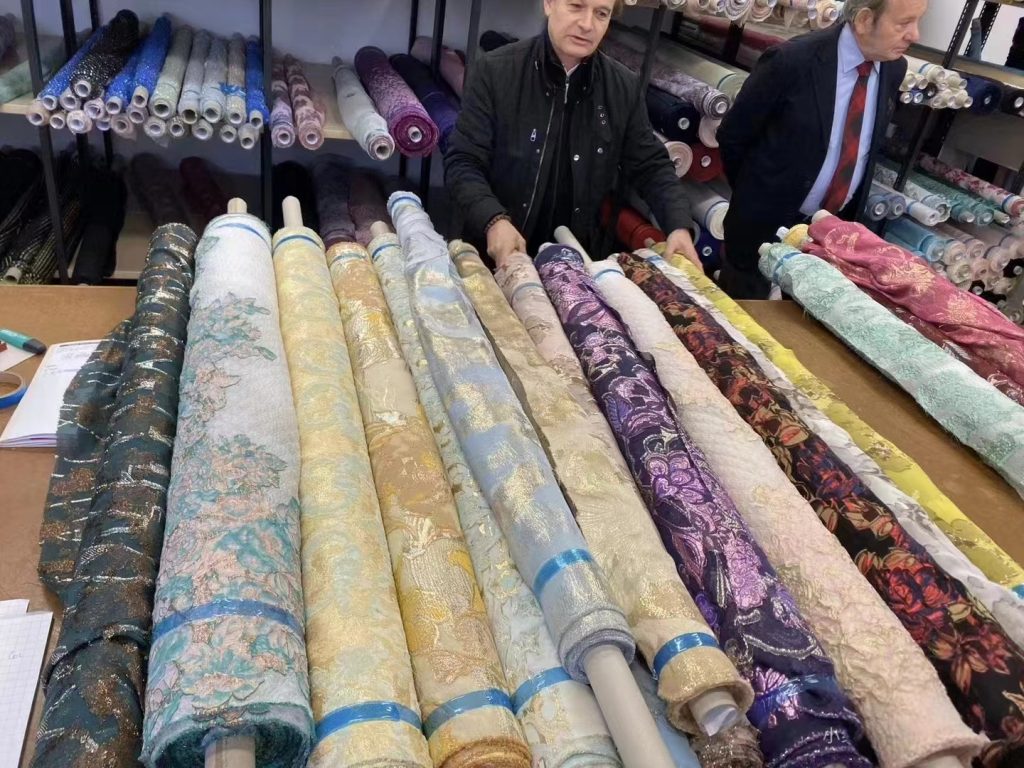
En muchas industrias, especialmente en la producción textil y la personalización, a menudo nos encontramos con el requisito de una Minimum Order Quantity (MOQ). This requirement often leads to questions from clients when placing an order: Why do some products require a minimum quantity? Why does my supplier say it’s impossible to produce 20 pieces in one color?
To address this, I’ve written a series of articles titled Why Customized Partnerships Have a Minimum Order Quantity. This article explores how fabric sizes influence product specifications, cost, and MOQ, and offers advice for entrepreneurs visiting our personalización de lotes pequeños services.
Fabric Width VS Specifications & Cost
In industrial printing or large-scale production, the width of the fabric is often a key factor determining norms and costs. For example, when performing large-format printing, manufacturers arrange production based on the fabric’s width. To complete a full-width layout, several finished products must be produced to utilize capacity. If only a small quantity is ordered, fabric waste can be significant.
For instance, requesting 60cm x 60cm pieces might not align with standard fabric rolls, leading to substantial waste. Manufacturers often adjust pricing to cover this excess material. Therefore, understanding standard widths—like 114 cm and 140 cm for mulberry silk—is crucial. For polyester and cotton, widths typically range from 140 cm to 150 cm.
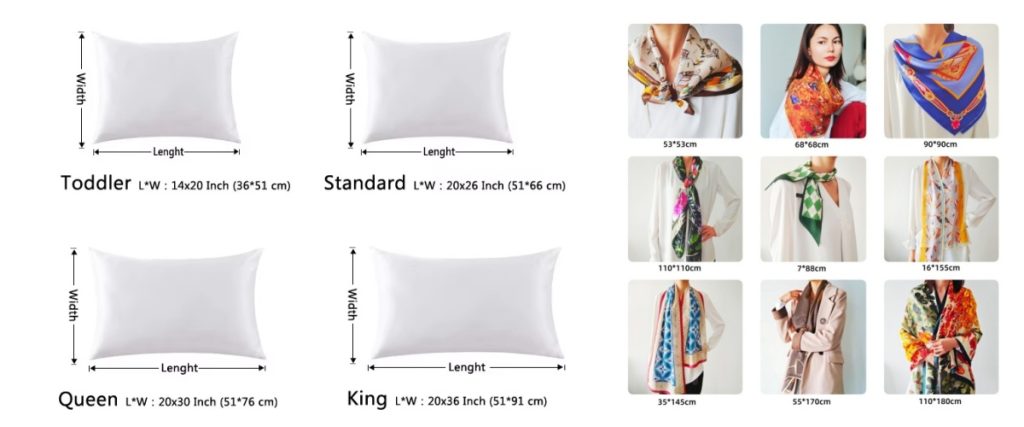
This explains why pillowcases are typically 50×70 cm, while our scarf collection features sizes like 53×53 cm or 90×90 cm. Custom sizes like 145×145 cm scarves might require custom 150 cm wide fabric, pushing the MOQ to over 2,000 pieces.
Fabric Length VS MOQ & Cost
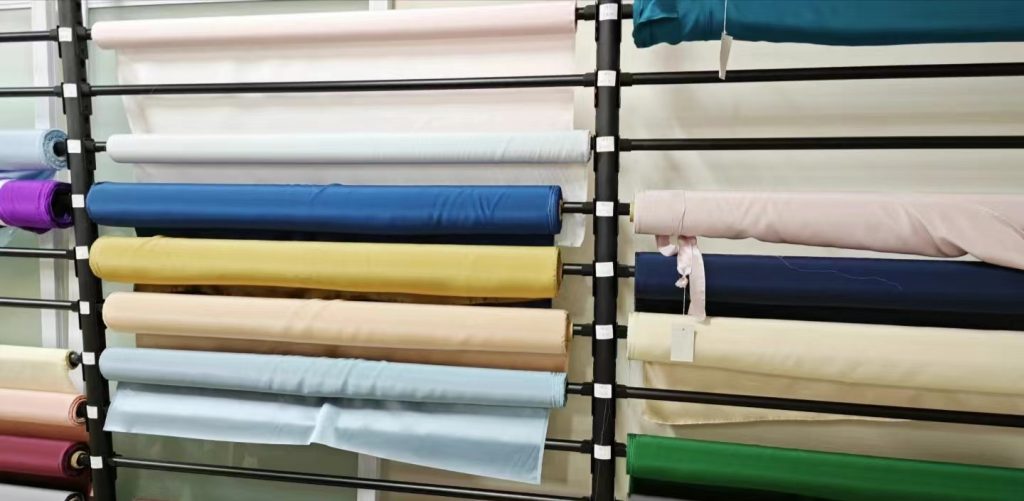
Fabric length also impacts MOQ. A roll of mulberry silk is usually 50 meters. MOQs are often based on using up an entire roll to secure wholesale pricing. Using less than a roll shifts costs to retail prices, increasing the final product cost.
For entrepreneurs, we recommend starting with standard sizes. As your business grows, you can explore custom sizes with larger MOQs. A good supplier will help you balance price and quantity. For digital printing scarves, 50 pieces per design is often a good balance. Learn more about our Docsun Design Pattern options.
Conclusión
Fabric dimensions significantly impact product specifications, MOQ, and cost. Other factors like shrinkage and craftsmanship also play a role, which we will discuss in future articles. If you have questions, please contact us.
Frequently Asked Questions (FAQ)
Why does fabric width affect the minimum order quantity (MOQ)?
What are the standard widths for silk fabrics?
Can I order custom fabric sizes for my brand?

“`