
Cómo se forman los colores en los pañuelos de seda: Un análisis de las técnicas de teñido y fijación a alta temperatura
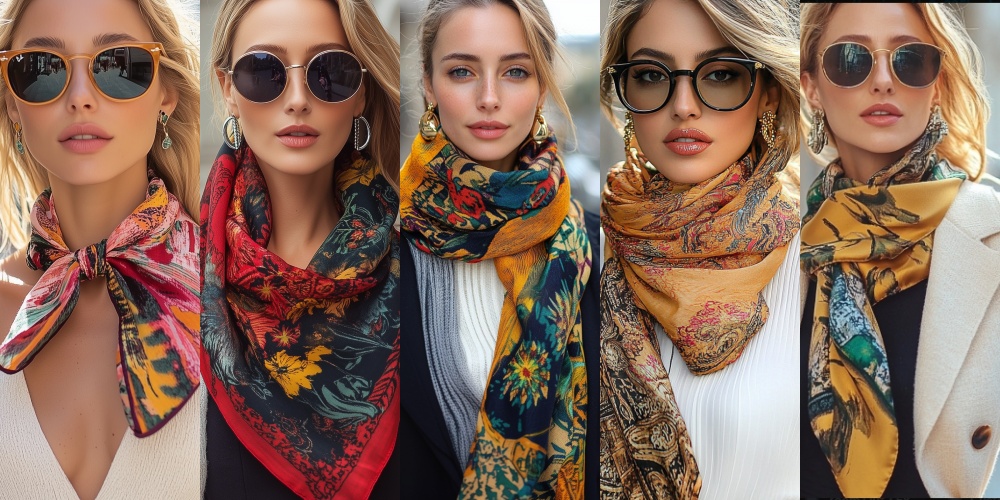
In the previous article, we discussed Silk Brushed Fabric. Today, we will explore how colors are formed on silk scarves, focusing on the critical processes of dyeing and high-temperature fixation.
Silk scarves, as exquisite fashion accessories, play a crucial role in determining overall visual appeal. For designers and entrepreneurs, understanding the coloring process is key to creating high-quality products like those in our scarf collection.
1. El teñido: Dar vida a los colores del pañuelo de seda
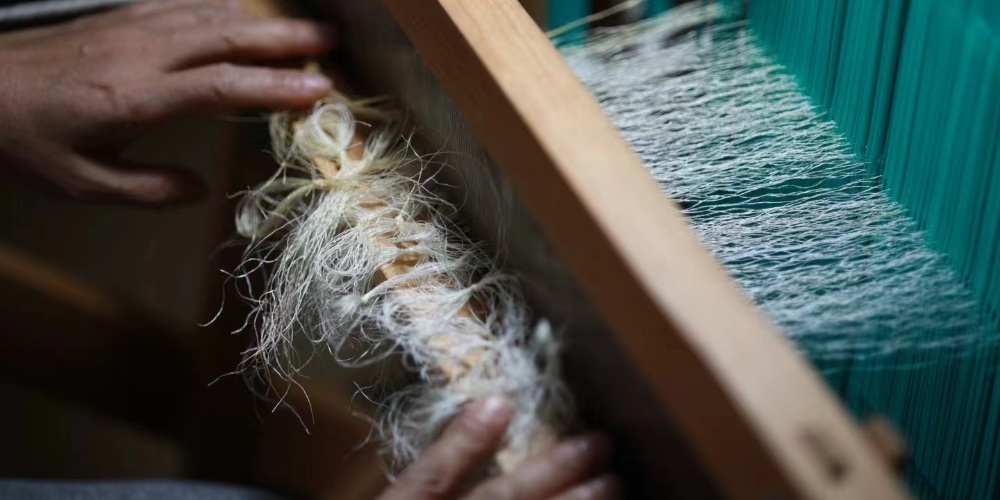
Dyeing involves the penetration of dye into fibers to create color. Silk’s smooth structure allows it to absorb various dyes, resulting in rich, vibrant effects.
Dyeing Methods
Common techniques include traditional screen printing, modern digital printing, and immersion dyeing. Each method ensures the dye infiltrates the silk fibers effectively.
Types of Dyes
Acid dyes are commonly used for protein fibers like silk, yielding vibrant and long-lasting colors. Reactive and disperse dyes are also used depending on the desired effect.
2. High-Temperature Fixation: Ensuring Color Durability
To ensure colors do not fade or bleed, high-temperature fixation is essential. This process helps the dye adhere firmly to the fibers.
Principle of High-Temperature Fixation
After dyeing, the fabric is heated to between 90°C and 150°C. This strengthens the chemical bond between dye molecules and silk fibers, significantly improving colorfastness.
Fixation Effects
This process prevents fading from washing, friction, or sunlight exposure. It ensures that your custom garments and scarves remain beautiful over time.
3. Washing and Post-Treatment
Following fixation, the fabric undergoes washing to remove excess dye, enhancing water resistance and ensuring color stability.
4. Confusiones comunes para diseñadores y empresarios
Why emphasize a minimum order quantity?
Processes like high-temperature fixation require large-scale industrial equipment with high setup costs, making small batches (e.g., 3-5 pieces) impractical. Skipping these steps would result in poor quality.
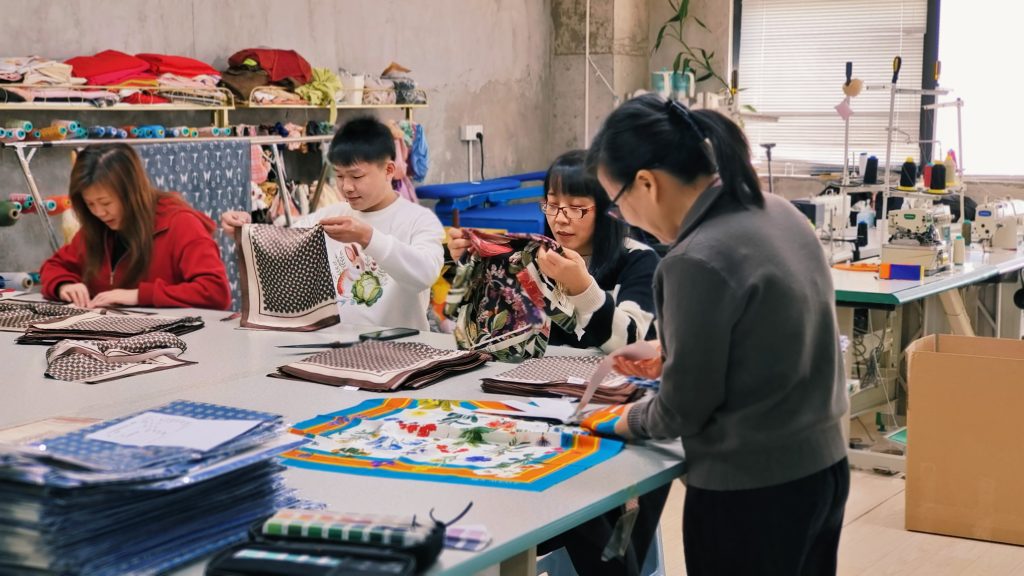
Why does production take 15-20 days?
Fixation and washing alone account for about 10 days. These essential steps cannot be rushed if quality is to be maintained, regardless of order size.
Conclusión
The coloring of a silk scarf involves meticulous craftsmanship. Dyeing provides vibrancy, while fixation ensures durability. As technology advances, silk scarves will continue to offer superior beauty and longevity.
For inquiries about our processes or to start a project, please contact us.
Frequently Asked Questions (FAQ)
Why do silk scarves need high-temperature fixation?
Can I produce a small batch of 3-5 custom scarves?
Why does silk scarf production take 15-20 days?

“`