
The History of Marimekko: Prints, Fashion, and Cultural Impact
Author: Grace Pan | Date: 06 Apr 2025
Table of Contents
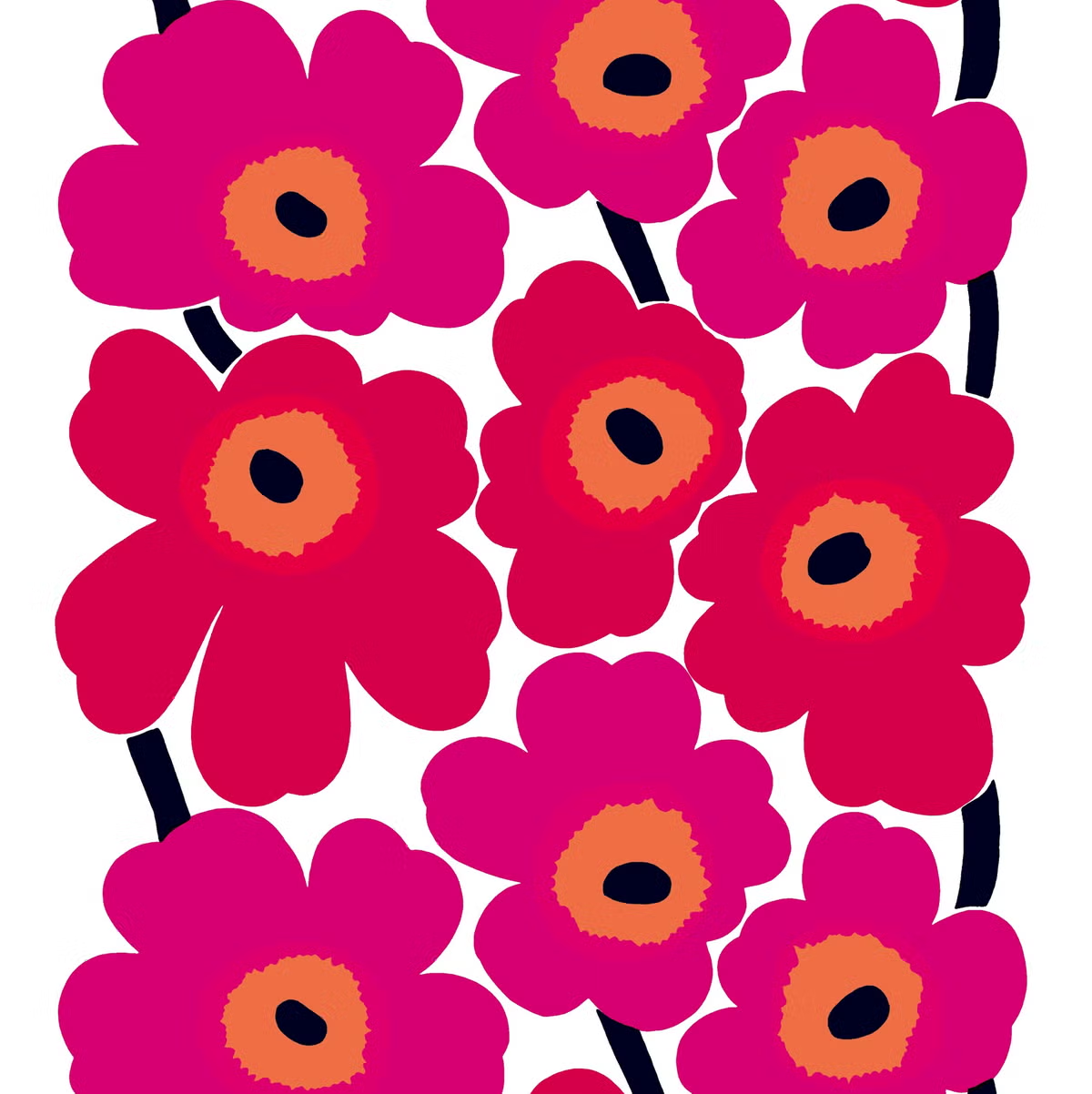
You probably have no idea about Marimekko, but if I show you this pattern, may I get a response like this? – ‘Ahh yes! I have seen it before.”
Marimekko, the Finnish design house known for its bold prints and vibrant colours, is more than just a fashion and textile brand—it is a cultural phenomenon that revolutionised Scandinavian design and brought a new level of artistic expression to everyday life. With roots deeply embedded in post-war optimism, the brand’s rise to international fame is a story of visionary leadership, bold artistic experimentation, and a relentless pursuit of creativity. At Docsun Home and Living, we draw inspiration from such pioneers to bring you the finest in textile craftsmanship.
1. Founders of Marimekko
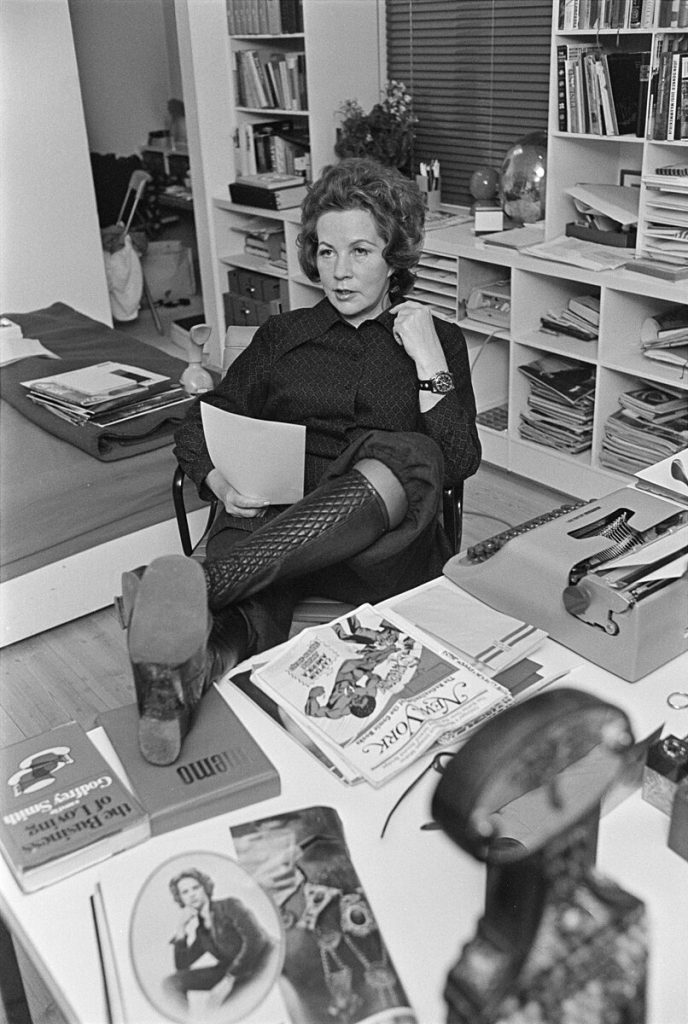
Marimekko was founded in 1951 by Armi Ratia and her husband Viljo Ratia in Helsinki, Finland. Armi Ratia is widely credited as the visionary behind the brand’s ethos. A poet and creative thinker, Armi possessed a keen eye for design and an instinct for aesthetics that would become the heart of the company. While Viljo, an industrialist, handled the business operations, Armi focused on the creative direction, establishing Marimekko as a company that married art and function in an entirely new way. Together, their complementary strengths formed the backbone of a brand destined to disrupt traditional post-war fashion.
2. The Birth and Turning Point of the Brand
The genesis of Marimekko came from Armi Ratia’s earlier work with a textile printing company named Printex, also owned by Viljo. Dissatisfied with the uninspired fabric prints of the time, Armi invited young Finnish artists to create bold, original designs that defied conventional patterns. What began as a simple idea ‘to bring art into everyday fabrics’ soon transformed into a radical aesthetic statement.
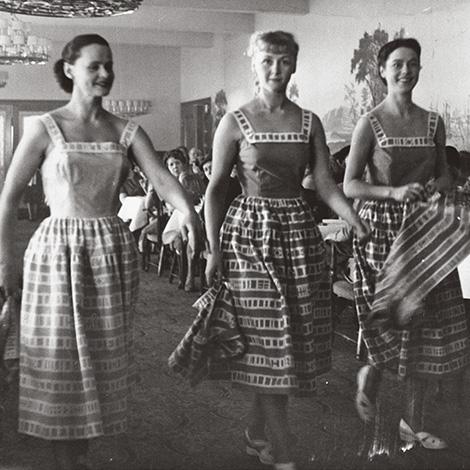
The turning point for the brand came in 1951, during a fashion show held at a Helsinki department store. Instead of merely selling printed fabrics, Armi decided to present them as garments, simple, free-flowing dresses that allowed the bold prints to shine. The event was a resounding success. The entire collection sold out on the spot. This moment marked the birth of the brand as not just a fabric manufacturer, but a full-fledged fashion and lifestyle brand.
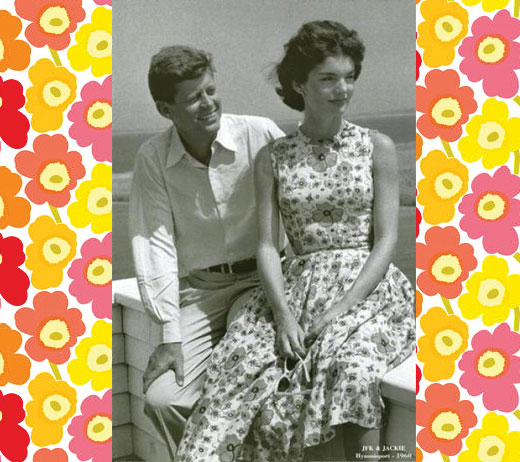
Another pivotal moment in its history was when Jacqueline Kennedy—then the First Lady of the United States—was photographed wearing several Marimekko dresses during the 1960 U.S. presidential campaign. Her endorsement brought the brand into the international spotlight and cemented its reputation as a symbol of modern, sophisticated, and liberated fashion.
3. Developmental Milestones
Let’s follow the rise of this brand through the decades as a story of artistic continuity and adaptive evolution. Some key phases of development include:
1950s–60s: The Artistic Golden Age
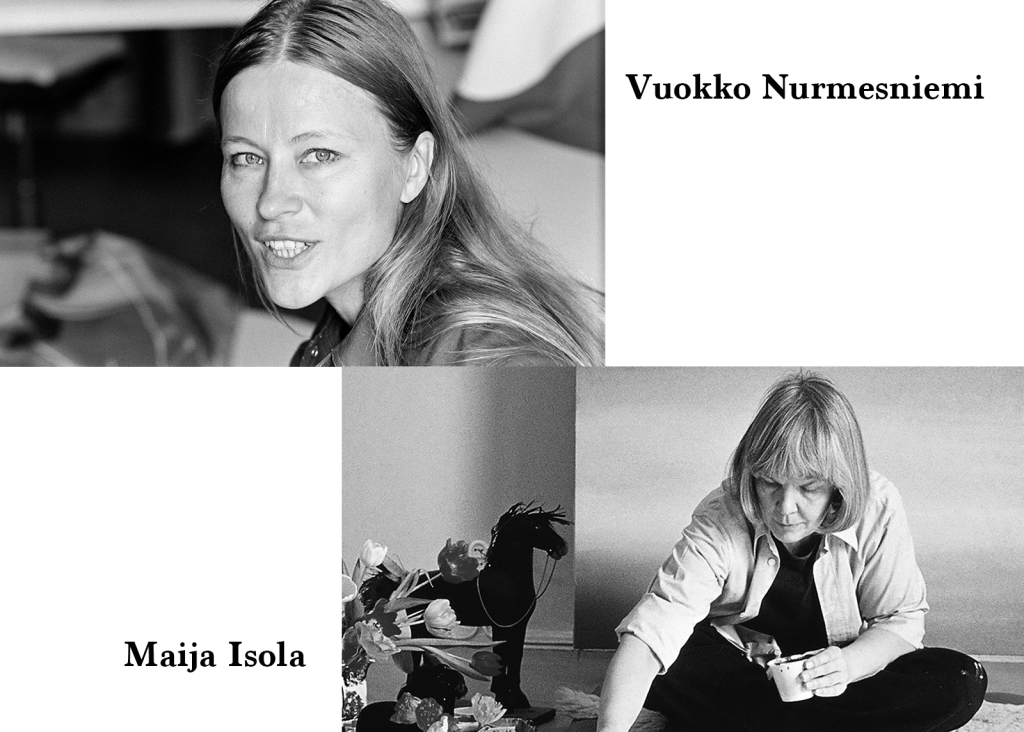
Under Armi’s guidance, Marimekko cultivated a roster of talented designers such as Maija Isola, Vuokko Nurmesniemi, and Annika Rimala. These women were not just printmakers—they were artists who challenged gender norms and celebrated freedom through fashion.
1970s: Expansion and Challenges
As its popularity spread globally, the company expanded into home textiles, accessories, and even furniture. However, after Armi Ratia’s death in 1979, the company struggled with direction and profitability.
1990s–2000s: Revival and Global Growth
In 1991, Finnish entrepreneur Kirsti Paakkanen acquired the struggling company and spearheaded a major revival. Her leadership restored the brand’s financial stability and refreshed its image for a new generation.
2010s–present: Modernisation and Sustainability
Marimekko embraced digital platforms, sustainability, and design collaborations to remain relevant in the modern fashion landscape.

4. Iconic Designs
At the heart of Marimekko’s identity is its distinctive use of print and pattern, many of which have achieved iconic status:
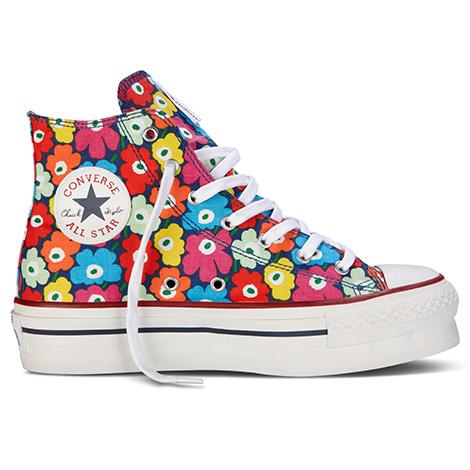
Unikko (Poppy) – 1964
Designed by Maija Isola, Unikko is perhaps the most recognisable print. With its large, abstract poppies in vivid hues, Unikko defied Armi Ratia’s initial ban on floral prints. Isola’s rebellious creation was so powerful and unique that it eventually became the brand’s emblem.
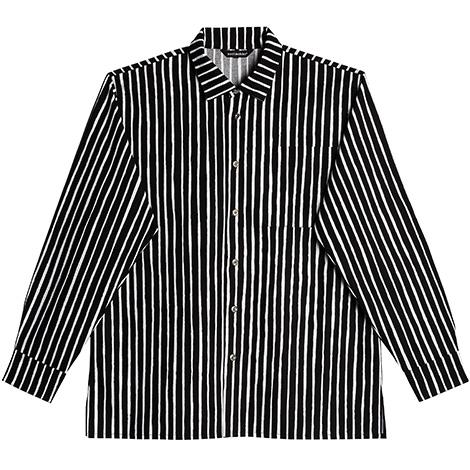
Jokapoika Shirt – 1956
Designed by Vuokko Nurmesniemi, this classic striped shirt became a staple of Finnish fashion and symbolised the simplicity and unisex appeal.
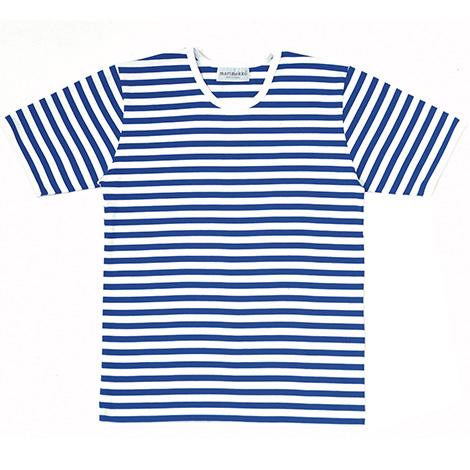
Tasaraido (Even Stripe) – 1968
Created by Annika Rimala, this print became known for its democratic and timeless appeal. It signaled the brand’s shift toward everyday wear and unisex clothing that prioritised comfort and self-expression.
These designs are not just fashion statements—they reflect Marimekko’s core values: individuality, creativity, and equality. Unlike trend-driven fashion houses, Marimekko’s appeal lies in its ability to remain timeless while constantly reinventing itself.
Marimekko’s journey from a small Helsinki-based textile company to an internationally celebrated fashion and design brand is a testament to visionary leadership, artistic collaboration, and cultural impact.
Create Your Own Iconic Designs
Inspired by the bold patterns and creativity of Marimekko? At Docsun Home and Living, we specialize in helping you turn your artistic visions into reality. Whether you are looking to create your own unique fashion statement through our scarf collection, or you need professional custom printing services to bring a pattern to life, we are here to assist. We also offer specialized solutions such as scarf custom cases for brands looking to expand their portfolio. Feel free to explore our Docsun Design Pattern library for more inspiration, or read About Us to understand our craftsmanship. If you are ready to start your project, please contact us or send us your inquiry today.
Our Big Fame in Prints celebrates the legacy of the world’s most famous textile and print pioneers. This series delves into their business story, timeless designs, and enduring influence on global fashion, interiors, and cultural aesthetics.
Other articles under this series:
Art You can Wear – Vera Neumann, A Timeless Visionary in Colour and Pattern
Vera Neumann: The Woman Who Made Scarves a Canvas of Art
Missoni: The Legacy of Italian Knitwear and its Iconic Patterns
Saddles to Silk: The Evolution of Hermès into a Global Luxury Icon
The Art of Hermès Scarves: A Brief Analysis That Defines Luxury
Liberty – The Fascinating History and Its Iconic Fabric Prints
Liberty Patterns – The Artistry and Versatility of its Timeless Elegance
If you would like to learn more about fabric, craftsmanship, manufacturing process, or need further cooperation, please email us via the email address vip@docsunhomeandliving.com, or click the image below to visit our official website. Also you can visit Docsun Silk for Daily outfit guidance.
Frequently Asked Questions
Who founded Marimekko?
Marimekko was founded in 1951 by Armi Ratia and her husband Viljo Ratia in Helsinki, Finland.
What is Marimekko famous for?
Marimekko is famous for its bold, colorful prints, particularly the Unikko (poppy) pattern, and its unique approach to lifestyle design that blends fashion, art, and architecture.
Can Docsun create Marimekko-style prints?
Yes, Docsun Home and Living specializes in custom printing on high-quality fabrics, allowing you to create bold, graphic patterns inspired by iconic styles like Marimekko.
2024.11-1024x1024.png "The Story of Marimekko: Global Success in Bold Visions 10")