

Unrivaled Elegance: The Properties, Features, and Applications of Crepe de Chine
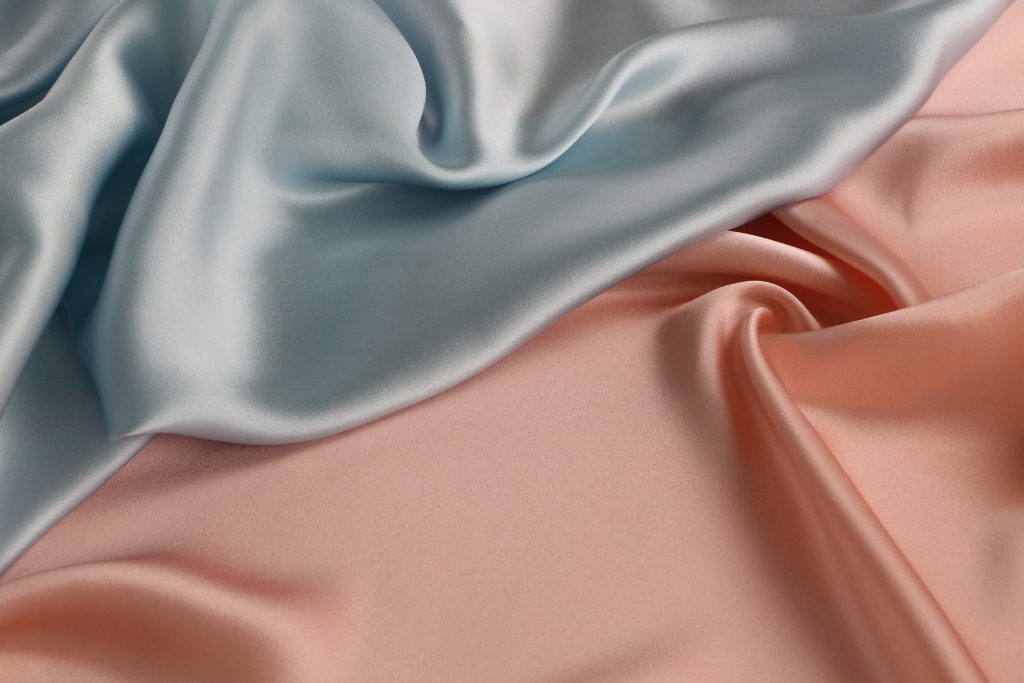
In the realm of high-end textiles, Crepe de Chine (often abbreviated as CDC) stands as a timeless symbol of understated luxury. Unlike the high-gloss finish of satin, this fabric offers a sophisticated, soft matte luster and a subtle, rippled texture that feels divine against the skin. It captures the light gently rather than reflecting it boldly, making it a favorite among discerning designers and consumers who appreciate quiet elegance.
As a classic double crepe fabric, it combines the breathability of natural fibers with a durability that is rare in such delicate-looking materials. From vintage 1920s flapper dresses to modern office blouses and our premium scarf collection, CPC has proven its versatility over centuries. In this in-depth guide, we will explore its rich history, the technical intricacies of its weaving process, its unique properties, and practical advice for designers looking to incorporate it into their lines.
If you want to dive deeper into silk technology, please visit our Silk Weaving category. For those interested in winter-specific silk innovations, check out our guide on Silk Brushed Scarves.
The History of CPC
The term CPC literally translates to “crepe from China” in French, a nod to its ancient origins. While silk production dates back millennia in China, this specific weaving technique became particularly prominent during later dynasties. In the Qing Dynasty, the imperial family and nobility favored this fabric for summer garments due to its exceptional breathability and light weight. It symbolized status without the ostentatiousness of heavy brocades.
The fabric made its way to the West and gained immense popularity in the early 20th century. During the Roaring Twenties, it became the fabric of choice for the loose, flowing silhouettes of flapper dresses. Legend has it that Coco Chanel was particularly fond of CPC for her revolutionary comfortable designs, moving women away from stiff corsets to fluid, moving fabrics. In the United Kingdom, its matte finish initially made it popular for mourning attire, but by the 1960s, it had transformed into a staple for Hollywood red carpet gowns, celebrated for its ability to hold vibrant dyes and drape beautifully around the female form.
The Weaving Method: Intricate Craftsmanship and Structure
What makes CPC unique is its specific weaving structure. It is a plain weave fabric, but the magic lies in the weft yarns. While the warp threads are typically untwisted or lightly twisted silk, the weft threads are kept highly twisted.
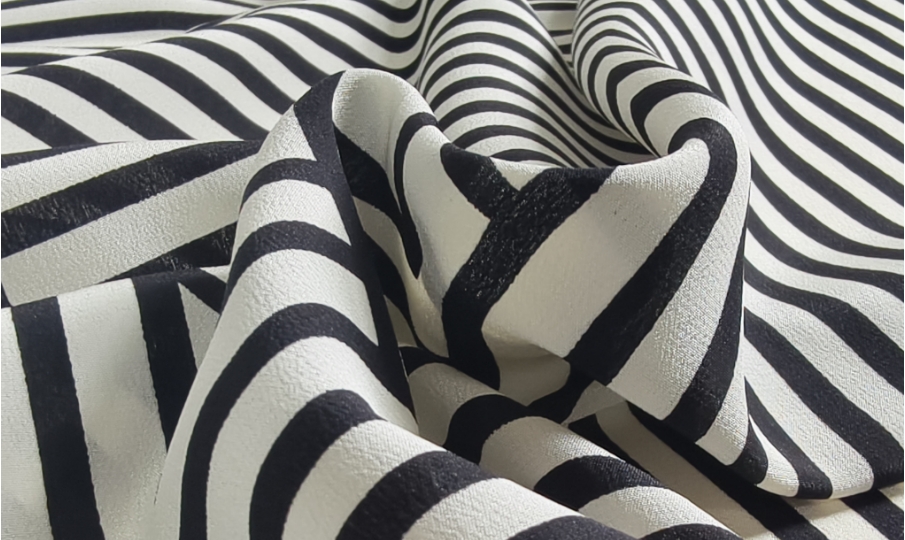
These high-twist weft yarns are woven in a specific alternating pattern: usually two threads twisted in an ‘S’ direction followed by two threads twisted in a ‘Z’ direction. When the fabric is taken off the loom and boiled off (degummed), these tightly twisted yarns attempt to untwist, creating a subtle tension that puckers the fabric surface. This results in the characteristic fine, pebbly texture—or “crepe” effect—that defines the fabric.
Characteristics of the Fabric
Why do designers and consumers continue to love Crepe de Chine? It offers a balanced set of properties that few other fabrics can match:
- Sophisticated Matte Sheen: Unlike Satin Charmeuse which is highly reflective, Crepe de Chine absorbs light, offering a soft, pearly glow. This makes it ideal for daywear and professional settings where high gloss might be too much.
- Durability & Wrinkle Resistance: The twisted yarns act like mini springs, giving the fabric elasticity and resilience. It resists wrinkles far better than flat silks like Habotai, making it an excellent choice for travel clothing.
- Breathability & Comfort: Being a protein fiber, it is highly breathable and moisture-wicking. It keeps the wearer cool in summer and warm in winter.
- Excellent Dye Affinity: The textured surface absorbs dye deeply, resulting in rich, saturated colors that do not fade easily. This makes it perfect for custom printing intricate patterns.
Applications In Fashion & Home Decor
Due to its versatility, Crepe de Chine is a workhorse in the luxury textile industry. It is not limited to just one category but spans across various sectors:

- Luxury Ready-to-Wear: It is the standard fabric for high-end blouses, camisoles, and shirts. Its opacity (especially in heavier weights like 16mm or 18mm) means it often doesn’t require a lining, unlike Chiffon.
- Evening Wear & Bridal: Its fluid drape makes it perfect for bias-cut dresses, wedding gowns, and bridesmaids’ dresses that require movement without excessive shine.
- Accessories: It is a top choice for our scarf collection. Unlike satin, which can be slippery, the slight texture of Crepe de Chine helps knots stay in place, making it practical for styling.
- Home Textiles: While less common than satin for bedding due to the texture, it is increasingly used for luxury pillowcases and duvet covers for those who prefer a non-slip, matte surface.

Tips for Designers: Working with Crepe de Chine
For fashion designers and brands looking to create custom garments, Crepe de Chine is a delight but requires specific handling:
Cutting: Because the fabric is “lively” and fluid, it can shift on the cutting table. Using tissue paper underneath or employing rotary cutters can ensure precision.
Sewing: Use fine, sharp needles (size 60/8 or 70/10) to avoid snagging the yarns. French seams are recommended for a clean, high-end finish that encloses raw edges.
Sourcing: Always pay attention to the “momme” count (weight). 12mm is great for scarves, while 16mm-19mm is better for blouses, and anything above 22mm is suitable for heavy dresses or pants.
Conclusion
Crepe de Chine holds an irreplaceable place in the fashion industry. Its unique weaving method involving high-twist yarns creates a fabric that is essentially “wrinkle-resistant silk” with a sophisticated matte finish. Whether you are designing a vintage-inspired collection or modern office wear, it adds an immediate air of quality.
If you’re interested in sourcing this fabric or need assistance with custom printing your designs onto Crepe de Chine, please contact us. At Docsun, we combine traditional craftsmanship with modern technology to bring your silk visions to life.
Frequently Asked Questions (FAQ)
What is Crepe de Chine fabric?
What are the best uses for Crepe de Chine?
Does Crepe de Chine wrinkle easily?

“`