
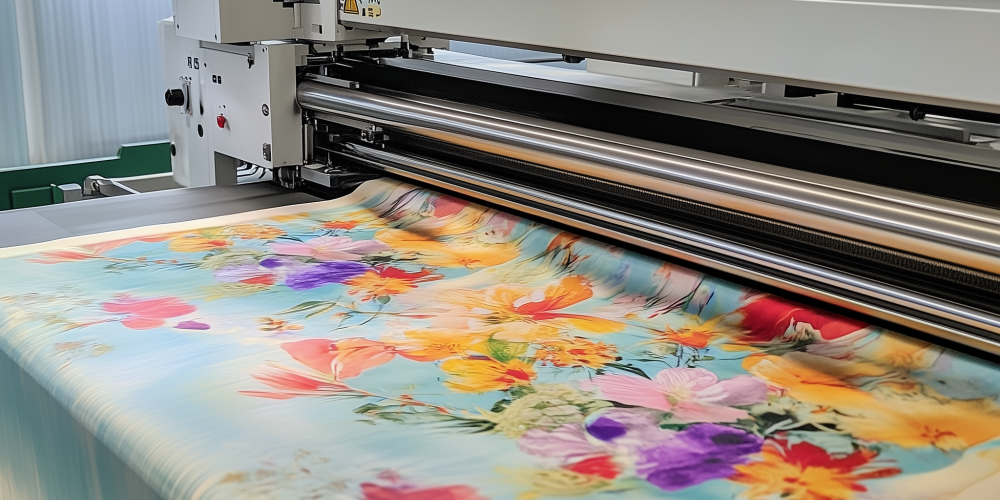
Reactive Printing On Silk: 4 Outstanding Advantages And 3 Challenges
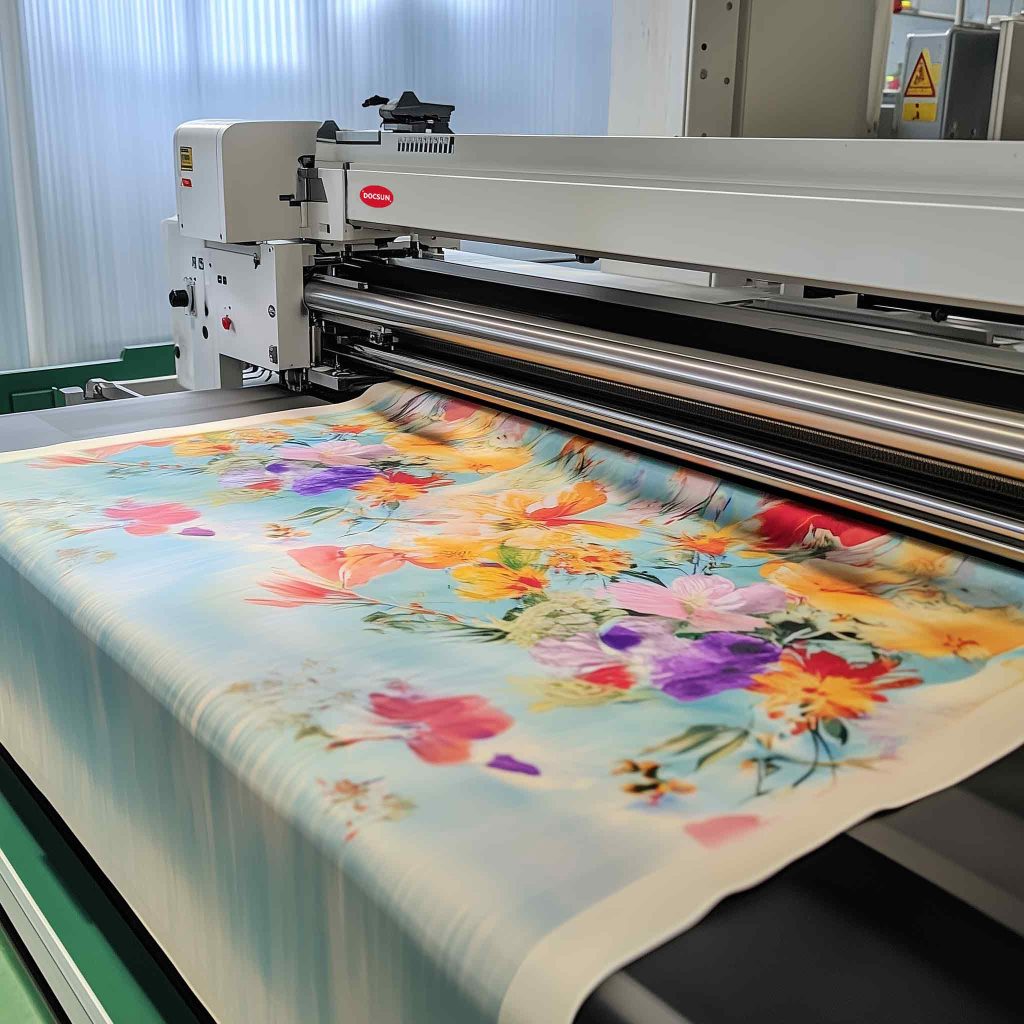
With the increasing awareness of environmental protection and the growing demand for high-quality, personalized products, reactive printing technology has gradually become an essential method in the modern textile industry. Particularly for high-end fabrics like mulberry silk, this method not only offers excellent color performance but also provides advantages in terms of environmental friendliness and durability. This article will explore the basic principles of reactive technology, its application on mulberry silk fabrics, and examine the benefits it brings to our scarf collection.
You can click on Silk Printing & Dyeing to learn more. For subsequent processes, visit Dyeing and Fixation Techniques.
1. Basic Principles of Reactive Printing
Reactive technology achieves coloration through a chemical reaction between reactive dyes and fiber molecules. Unlike traditional methods that use thickeners with low penetration, reactive dyes form a covalent bond with the fibers. This ensures that the dyes are firmly fixed, significantly improving color fastness.
The process typically involves heating, allowing dye molecules to permeate the fibers. This results in vibrant, stable color effects, making it especially suitable for natural fibers like cotton, linen, and mulberry silk used in custom garments.
2. Application on Mulberry Silk Fabrics
Mulberry silk, the “king of textiles,” benefits greatly from reactive technology. Traditional methods often fail to fully exploit its luster and softness due to color penetration issues. Reactive printing offers an ideal solution.
High Color Fastness Guarantee
The strong covalent bond formed between the dye and fiber enhances color fastness against water and friction. This ensures that luxury items maintain their brightness even after repeated washing.
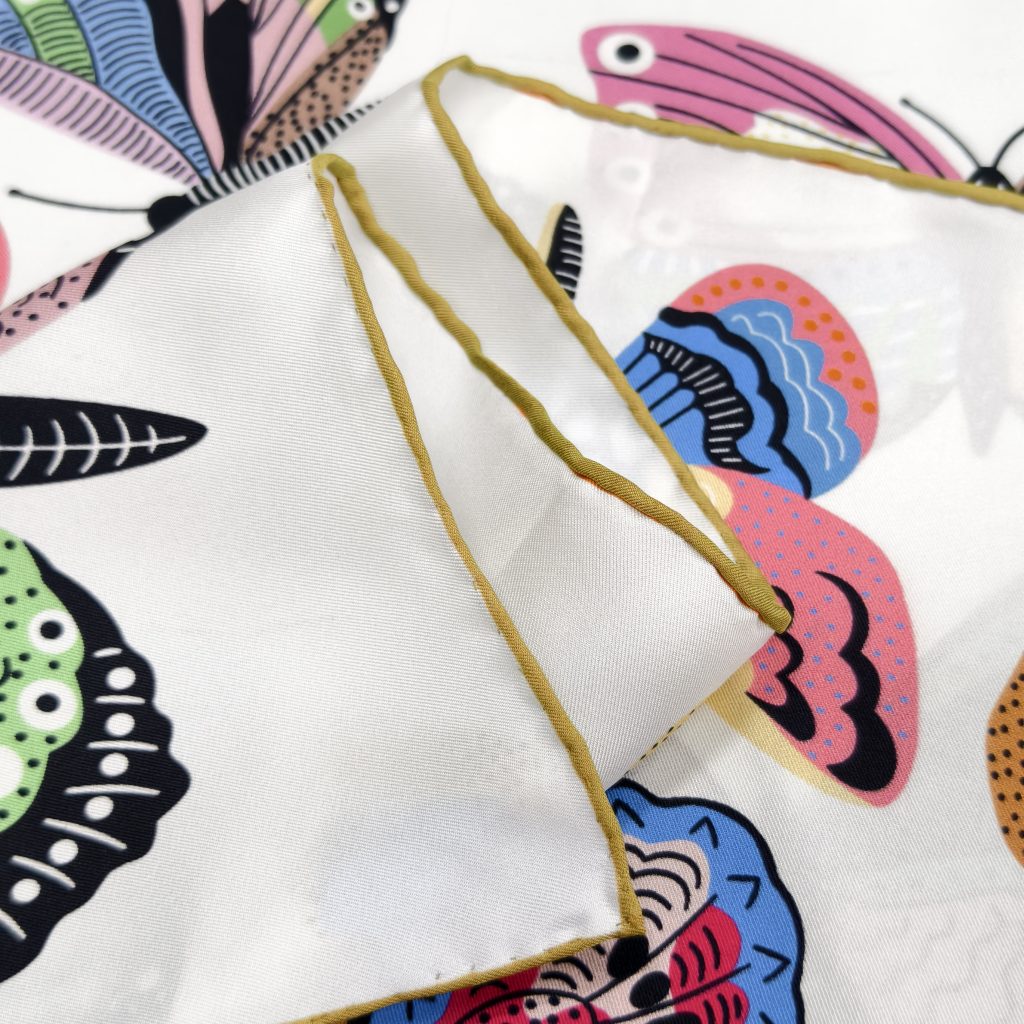
Vibrant and Diverse Color Effects
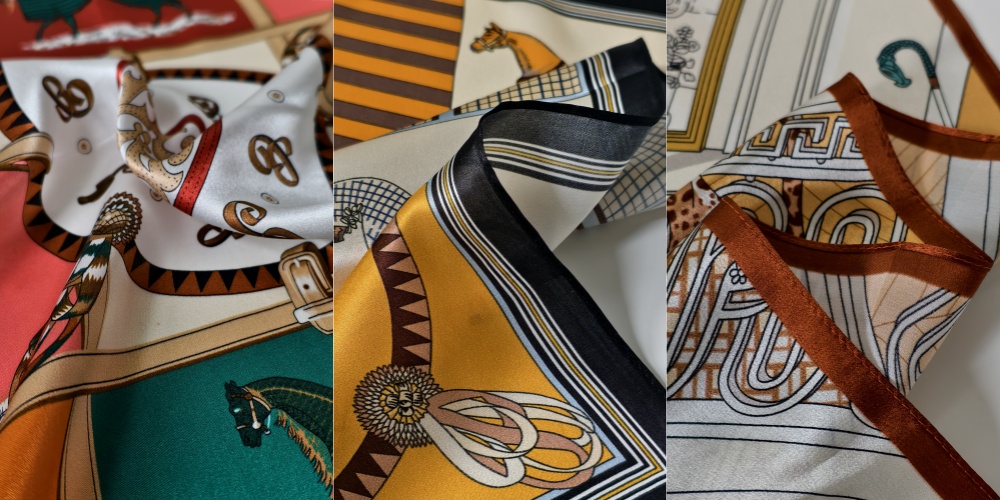
This technology allows for a wide range of saturated colors, from deep blues to soft pinks, integrating well with the fiber structure for expressive visual effects.
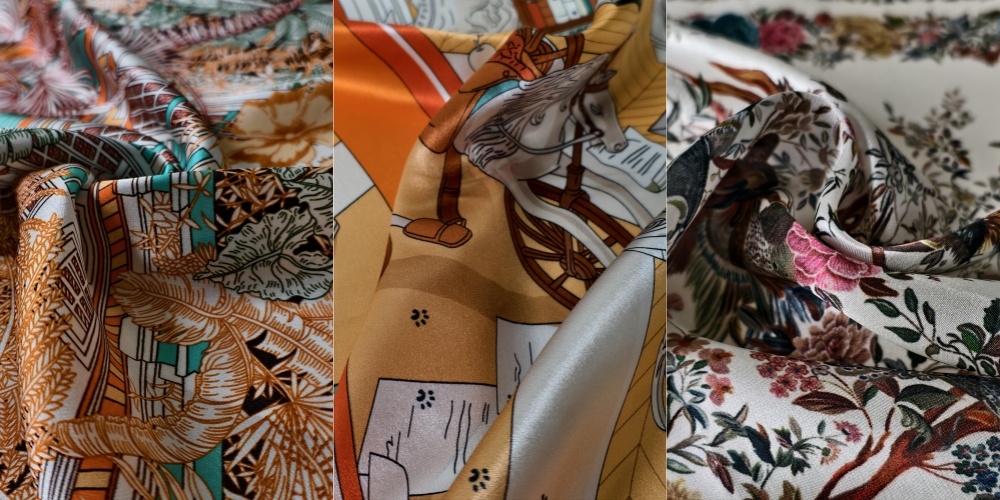
Environmental Friendliness and Sustainability
Reactive printing reduces pollution with lower wastewater emissions and higher efficiency, aligning with global sustainability goals.
Enhanced Durability and Wrinkle Resistance
Since the printing process has minimal impact on fibers, the natural softness and elasticity of silk are maintained. This extends the lifespan of high-end items like scarves and ties.
3. Challenges on Mulberry Silk
Despite its advantages, challenges remain. The process requires precise control of temperature and pH values; improper operation can lead to uneven results. Additionally, large-scale production still consumes significant water resources, and costs are higher than traditional methods. Docsun continuously optimizes these processes for our Docsun Design Pattern offerings.
4. Conclusion
Reactive technology has become the ideal choice for dyeing mulberry silk fabrics, preserving natural luster and softness while enhancing durability. As technology advances, its role in the high-end textile industry will only grow.
If you want further cooperation, you can visit Docsun Silk, or check our contact us page.
Frequently Asked Questions (FAQ)
What is reactive printing on silk?
Why is reactive printing considered eco-friendly?
Can I use reactive printing for custom scarves?
“`