
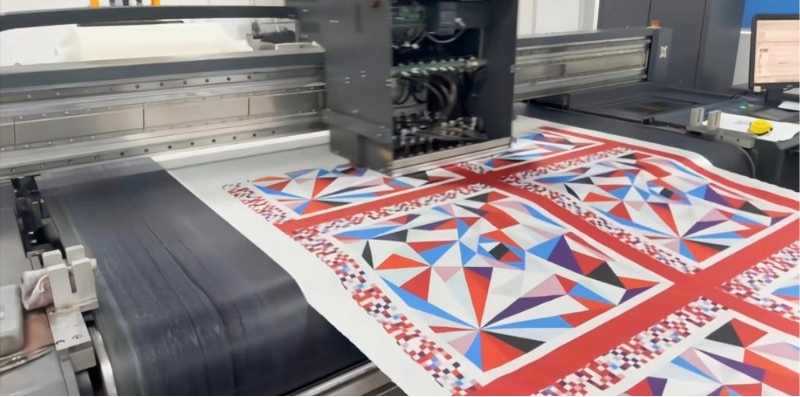
Silk Digital Printing Series: Exploring the Features and Applications of Digital Printing Technology
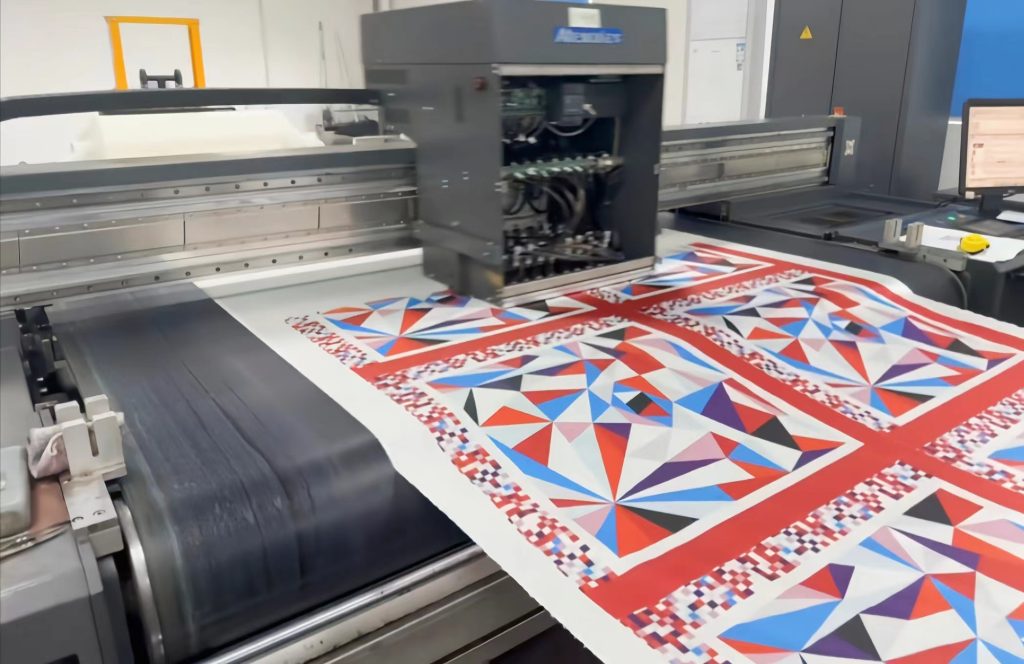
In the previous article, we explored competitive trends in luxury fabrics. You can view it here: Luxury Fabric Trends. In this article, we will focus on the features of digital printing technology for silk.
Digital printing technology utilizes digital inkjet technology to directly transfer design patterns onto fabric surfaces. Compared to traditional printing, it improves production efficiency and provides designers with greater creative freedom. In the field of silk printing, digital printing offers more possibilities for silk products with its high precision, rich color, and flexibility.
This technology is central to creating our unique scarf collection.
1. Silk Digital Printing Series: Classification of Digital Printing
Digital printing can be divided into several main types based on the ink and technology used:
- Acid Digital Printing: Uses acid dyes, suitable for protein fibers like wool and silk. Ideal for high-end clothing and luxury fabrics.
- Reactive Digital Printing: Uses reactive dyes that bond chemically with fibers. Perfect for silk fabrics, offering excellent color fastness and eco-friendliness.
- Pigment Digital Printing: Uses water-based pigments. Good for large-area designs but may have lower color fastness.
- Disperse Heat Transfer Printing: Primarily for synthetic fibers like polyester.
- Disperse Direct Inkjet Printing: Direct spray for synthetic fibers, suitable for mass production.
2. Silk Digital Printing Series: Features of Digital Printing
Digital printing has gradually replaced traditional screen printing due to its significant advantages:
High Precision and Fine Detail
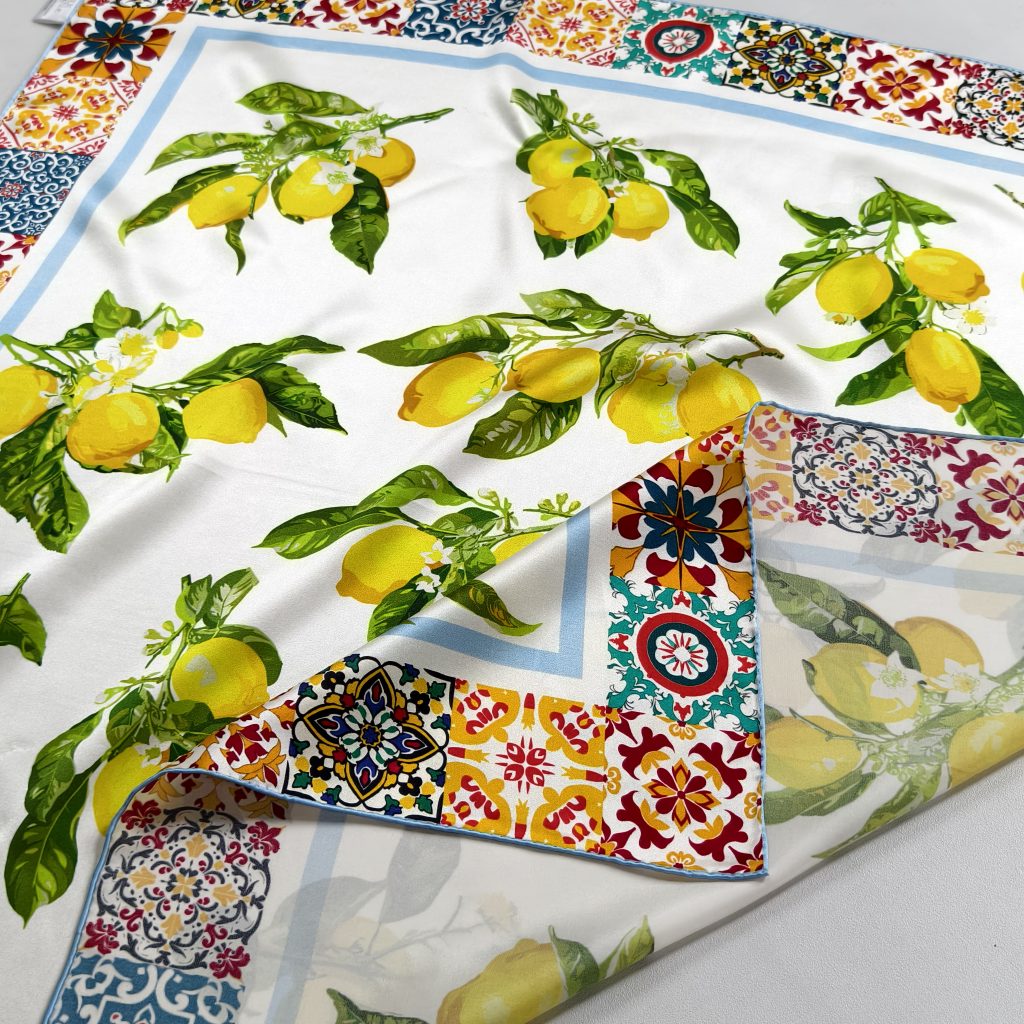
Digital printing achieves extremely high pattern precision, rendering intricate gradients and small details perfectly. This is crucial for custom garment designs that require high fidelity.
Soft Hand Feel
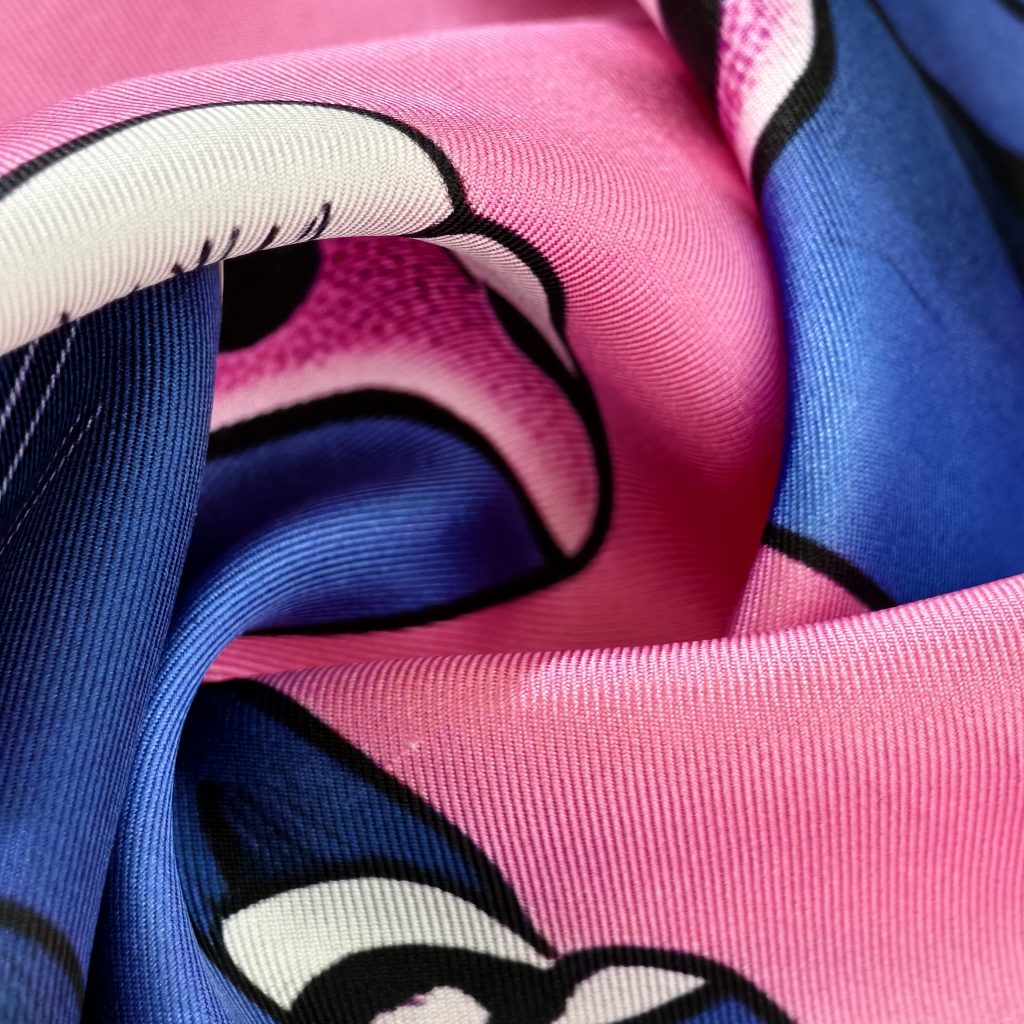
Digital printing generally does not create a coating feel. Reactive digital printing leaves no coating, maintaining the original fabric’s soft tactile feel, unlike traditional screen printing pastes.
Fast Production and Personalization
Digital printing eliminates the need for printing plates, shortening production cycles. It allows for small batch production (MOQ as low as 50 pieces per design) and quick adaptation to fashion trends.
Environmental Friendliness
High precision control reduces dye waste and wastewater discharge. Many manufacturers use eco-friendly inks, aligning with sustainability goals.
Conclusion
Digital printing technology is becoming mainstream in the silk printing field due to its precision, eco-friendliness, and customization capabilities. Whether for fashion apparel or home textiles, it offers immense creative potential.
If you’re interested in digital printing services for your brand, please contact us.
Frequently Asked Questions (FAQ)
What is the best printing method for silk scarves?
How does digital printing differ from traditional screen printing?
Is digital printing eco-friendly?
“`