
MOQ Differs Across Weaving:Knitting, Weaving, Yarn Dyeing, and Shuttle Weaving
Dans l'article précédent Comment la taille des tissus affecte-t-elle la quantité minimale de commande ?, we learned that the minimum order quantity (MOQ) varies due to different fabric widths. In this article, Docsun Home and Living will delve deeper into how production processes—knitting, weaving, dyeing, and shuttle weaving—impact the MOQ.
In textile customization, MOQ is a common constraint. Why do some products require a minimum quantity? Why is it difficult to produce 20 pieces in one color? This article analyzes these factors based on weaving craftsmanship.
MOQ Differs Across Weaving:Knitting and Small MOQ
Caractéristiques du processus de production
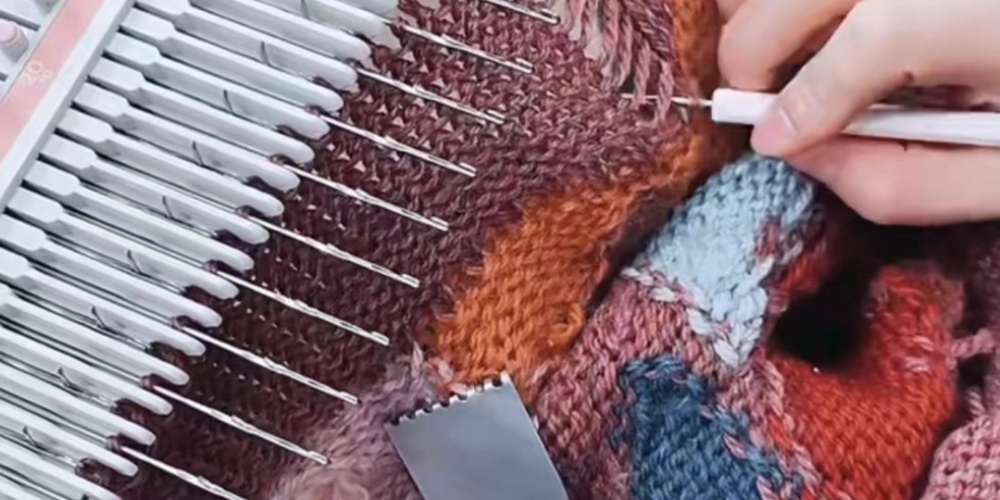
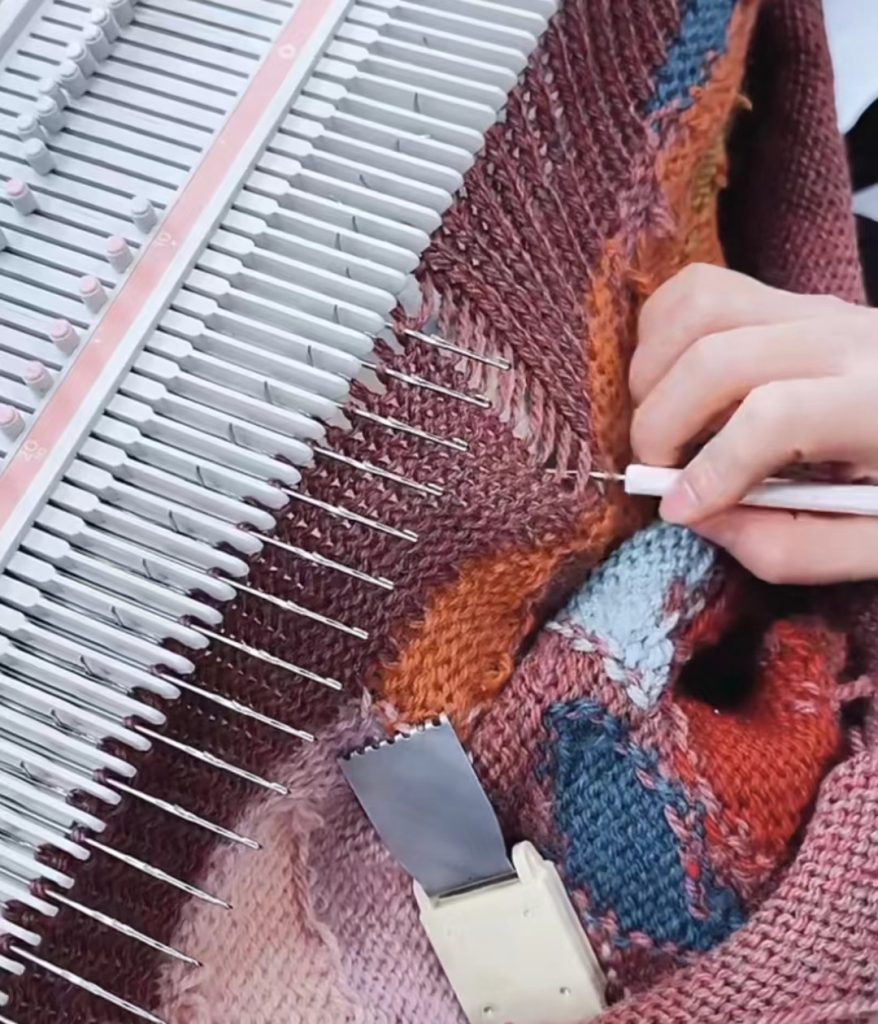
The production process of knitted fabrics is relatively simple, using knitting machines to interlock yarns. Compared to woven fabrics, knitted fabrics offer higher elasticity. Knitting requires fewer equipment adjustments, facilitating small-batch production. Many knitted fabrics are available as stock, allowing for an MOQ of around 100-150 pieces per color.
Raisons d'une petite quantité
- Production Flexibility: Short production cycles and simple adjustments allow manufacturers to fulfill smaller orders quickly.
- Adaptability: Ideal for custom printing and small-batch customization, meeting diverse needs in style and color.
MOQ Differs Across Weaving:Weaving and Medium MOQ
Caractéristiques du processus de production
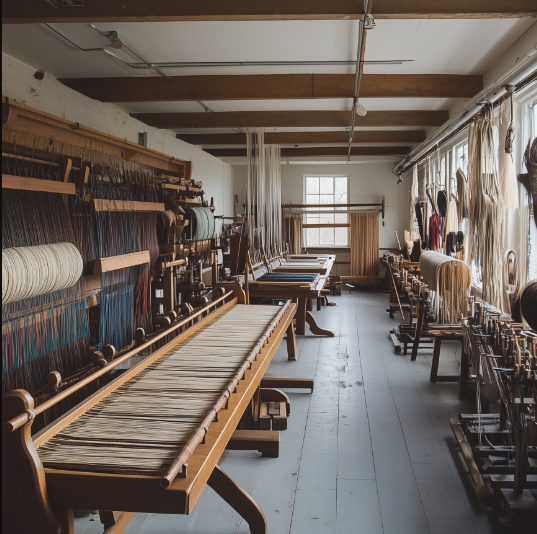
Weaving involves interlacing warp and weft yarns on a loom. This process is more complex than knitting, with longer cycles and more adjustments. Custom woven fabrics, often used in our scarf collection, typically have a medium MOQ. Machine-woven fabrics usually require 500+ pieces, while hand-woven ones may start at 200+.
Raisons pour lesquelles le MOQ est moyen
- Setup Costs: Equipment adjustments take time, requiring larger quantities to cover costs.
- Stability: The process favors stable, larger batches to maintain consistency.
MOQ Differs Across Weaving:Yarn-Dyeing and Large MOQ
Caractéristiques du processus de production
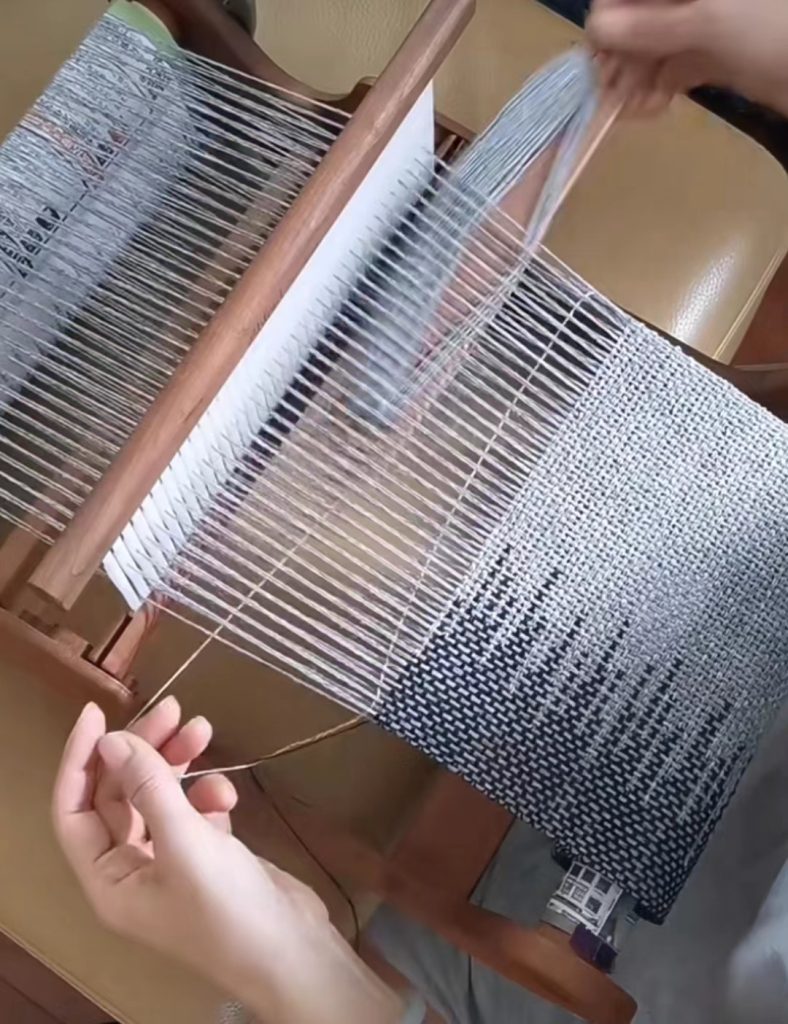
Yarn-dyed fabrics use pre-colored yarns woven together, requiring precise technical control. This is common in high-end textiles. Since it is custom-made, the MOQ is typically in the thousands.
Raisons d'une grande quantité de marchandises
- High Complexity: Precise color control and pattern design increase difficulty.
- Equipment Costs: Specialized equipment and maintenance drive up the volume needed for cost efficiency.
MOQ Differs Across Weaving:Shuttle Weaving and Flexible MOQ
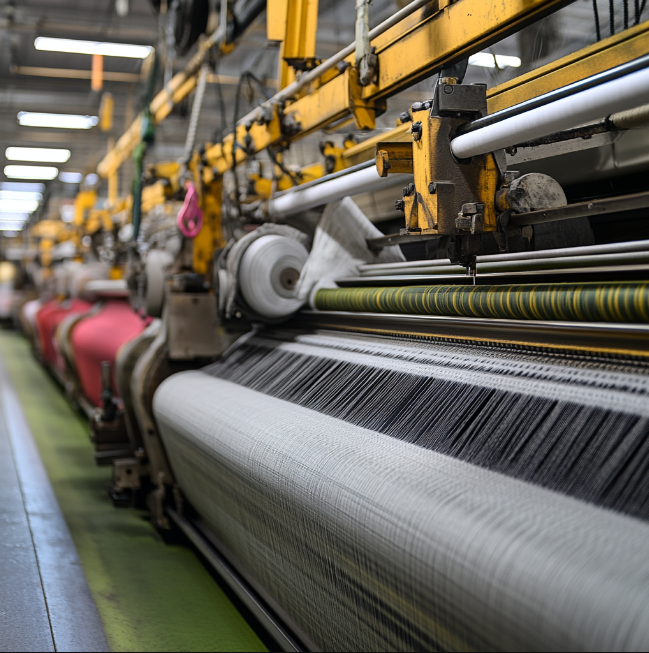
MOQ Characteristics
- Stock Fabrics: 50-100 pieces per color (e.g., silk pillowcases).
- Custom-Dyed: 200+ pieces per color.
- Independent Development: 5,000+ pieces due to high development costs.
Résumé et recommandations
For early-stage brands, knitting or stock shuttle-woven fabrics with digital printing are advisable due to lower MOQs. As brands scale, weaving and custom dyeing offer more differentiation. However, developing unique yarn-dyed fabrics requires significant investment and is a barrier to entry often reserved for established luxury brands.
If you need guidance on choosing the right process for your project, please contact us ou send us your inquiry.
Frequently Asked Questions (FAQ)
Why is the MOQ for knitted fabrics generally lower?
Why does yarn-dyeing require a large MOQ?
What is the best fabric choice for a startup brand with low quantity needs?
“`