
Hermès vs. Pucci : l'histoire de deux célèbres icônes de l'écharpe en soie
Auteur : Grace Pan | Date: 10 June 2025
Table of Contents
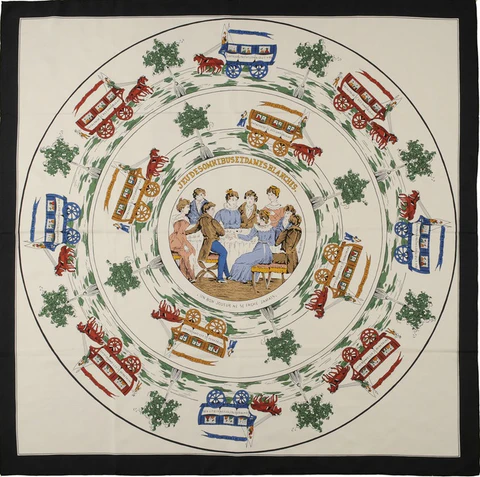
Il y a quelque temps, j'ai écrit quelques essais sur l'histoire et les créations de la célèbre marque de luxe Hermès. Comme nous (Docsun Home and Living) are a dedicated manufacturer of silk scarves, I especially focused on the scarf designs which quite a few readers replied me saying they are inspired by the resources (L'art des foulards Hermès : une analyse avec 7 échantillons célèbres). Nous vous remercions de votre soutien !
La semaine dernière, alors que je présentais une autre marque de mode de luxe, Pucci, leur renommée dans le domaine des écharpes en soie a vraiment attiré mon attention (Emilio Pucci : le prince de l'imprimé et le maître de l'élégance italienne). Cela me fait penser à une chose : si nous combinions les deux, quelles découvertes intéressantes pourrions-nous faire pour inspirer l'industrie du foulard en soie ?
En matière de foulards en soie de luxe, peu de noms ont autant de poids que ceux d'Hermès et d'Emilio Pucci. Ces deux maisons ont fait du foulard en soie non seulement un accessoire, mais aussi une icône de la mode. Pourtant, bien qu'elles partagent la même toile de soie, leurs approches divergent considérablement - l'une ancrée dans la tradition aristocratique, l'autre dans un modernisme vibrant.
Histoire et culture : Prestige parisien et jet set italien
Hermès a été fondée en 1837 à Paris en tant qu'atelier de harnachement, profondément lié à la culture équestre. En 1937, la marque lance son premier foulard en soie, le Carré, inspiré des brides de chevaux et des motifs cérémoniels. Au fil des décennies, le foulard s'est transformé en un canevas de narration, faisant référence à l'histoire de France, à la mythologie, à la nature et aux voyages. Les foulards sont souvent considérés comme des objets d'héritage, des objets culturels et artistiques transmis de génération en génération.
Emilio Pucci, en revanche, est né de l'optimisme de l'après-guerre et du glamour de la Riviera italienne. Aristocrate florentin, Emilio a lancé ses foulards en soie dans les années 1950, dans le cadre d'un monde coloré influencé par les paysages méditerranéens et l'art moderne. Son ascension a coïncidé avec l'ère de la jet-set, séduisant les femmes à l'esprit libre, attirées par les voyages, les loisirs et la mode expressive. Le foulard n'est pas une relique, il est vivant, cinétique et fait pour le mouvement.
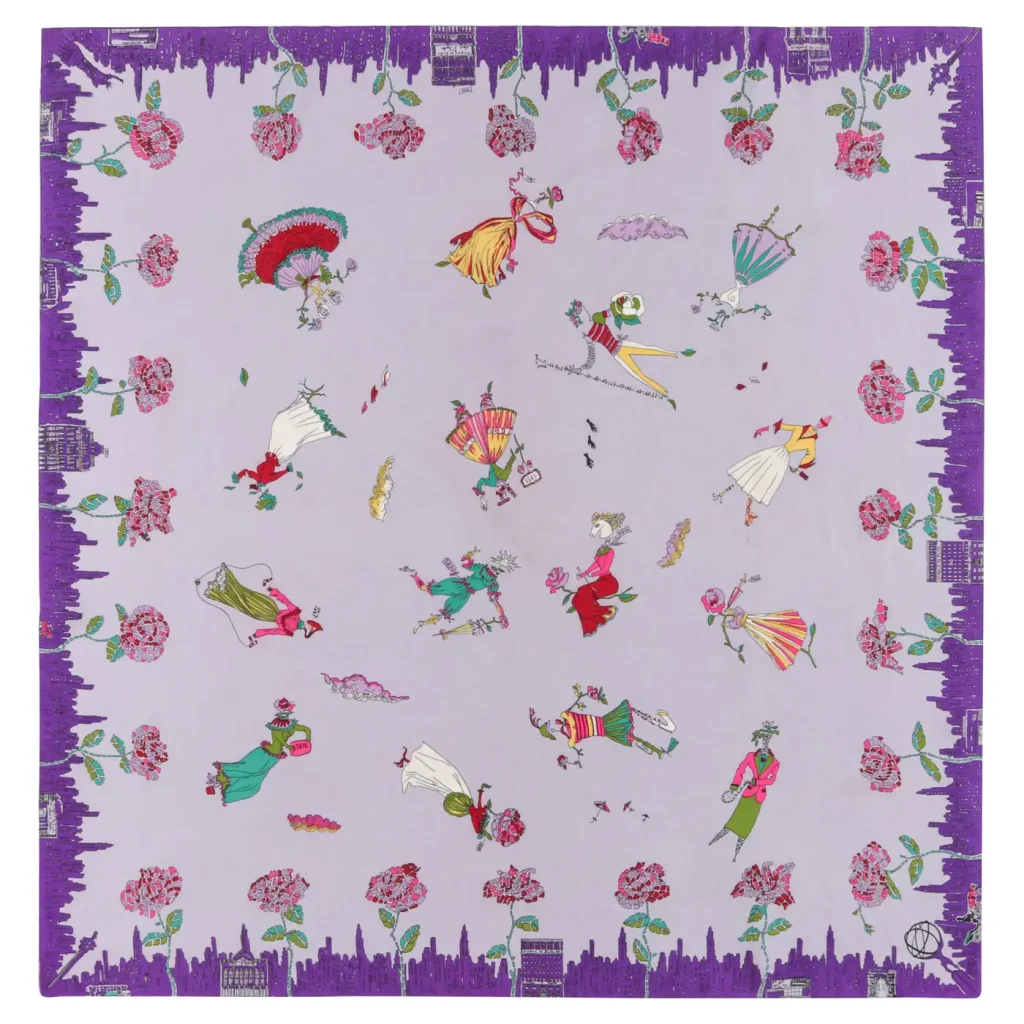
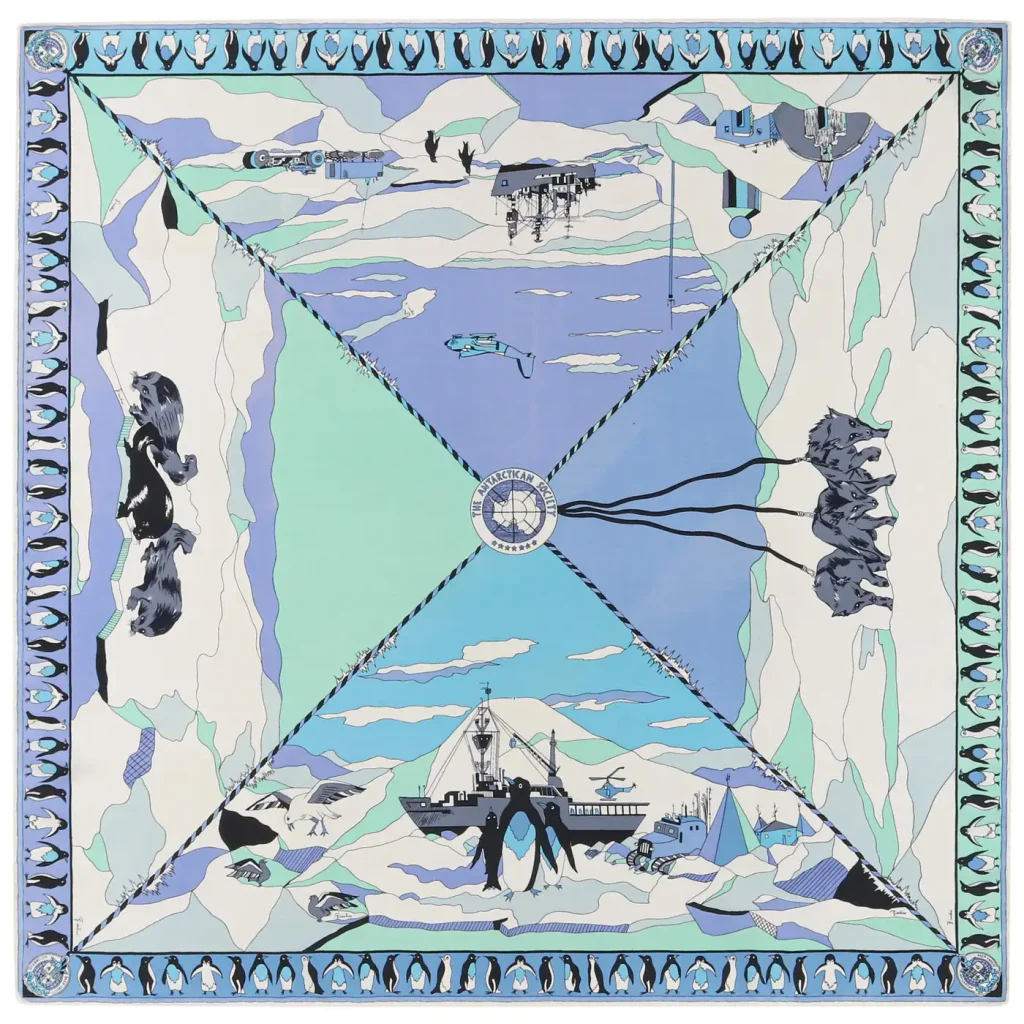
La notoriété et le design : Récit ou impact sensoriel
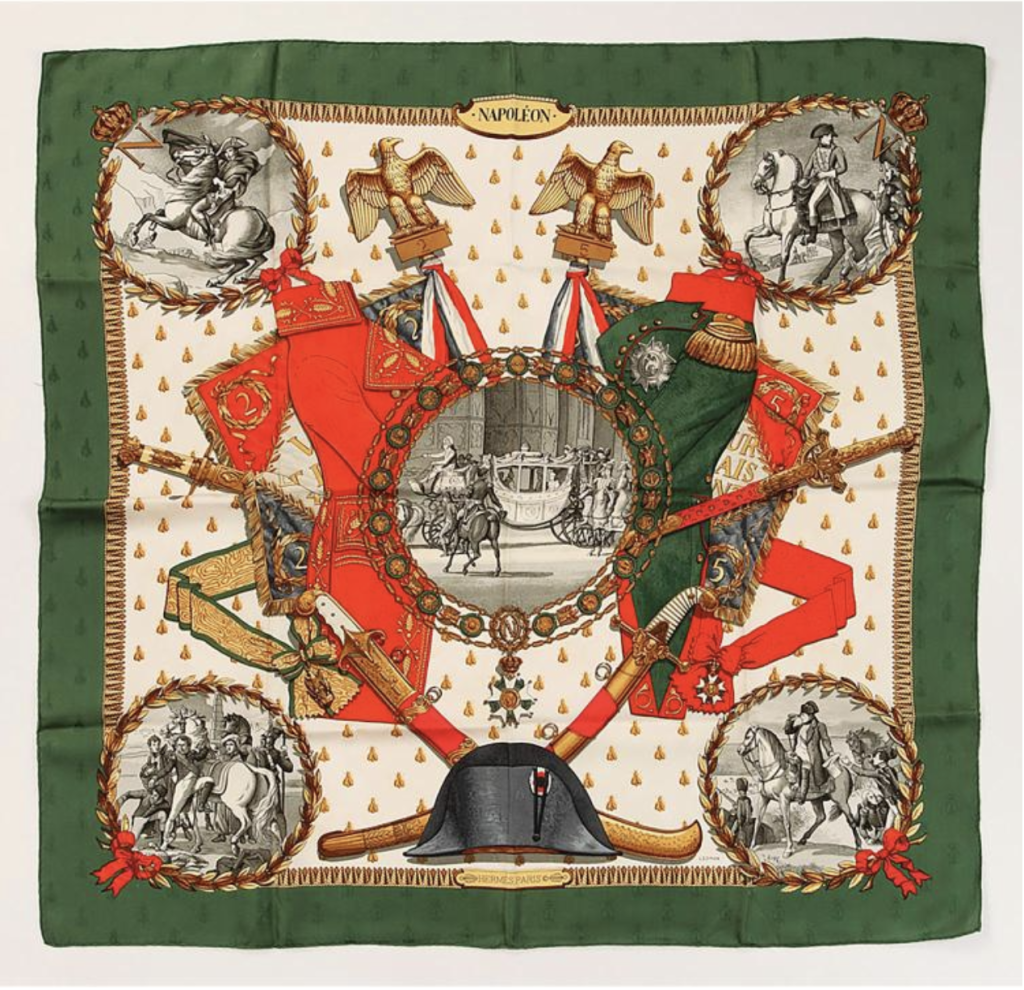
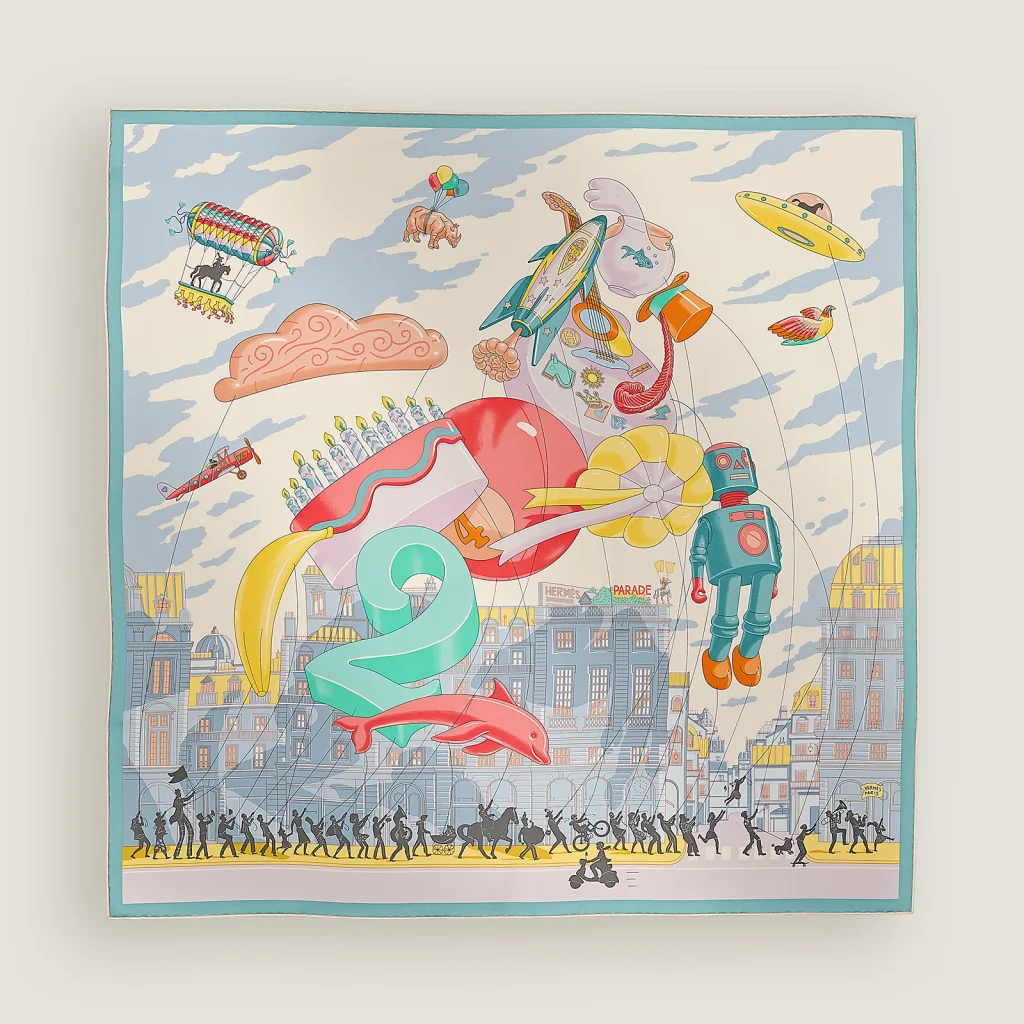
The design language of Hermès scarves is intricate, detailed, and narrative-driven. A typical scarf may feature a scene of Napoleon’s court, an exotic bird in flight, or maps of ancient trade routes. Each piece is a collaboration with artists and undergoes extensive research and preparation. Their designs feel timeless—traditional yet artistic, with an emphasis on symmetry and balance.
Pucci designs, on the other hand, are about energy and movement. The house’s signature aesthetic—bold, swirling prints in colours like fuchsia, aqua, lemon yellow, and turquoise—has become synonymous with joy and freedom. Rather than literal stories, their scarves evoke emotion and visual stimulation. The prints are geometric, almost psychedelic, yet surprisingly sophisticated when styled well.
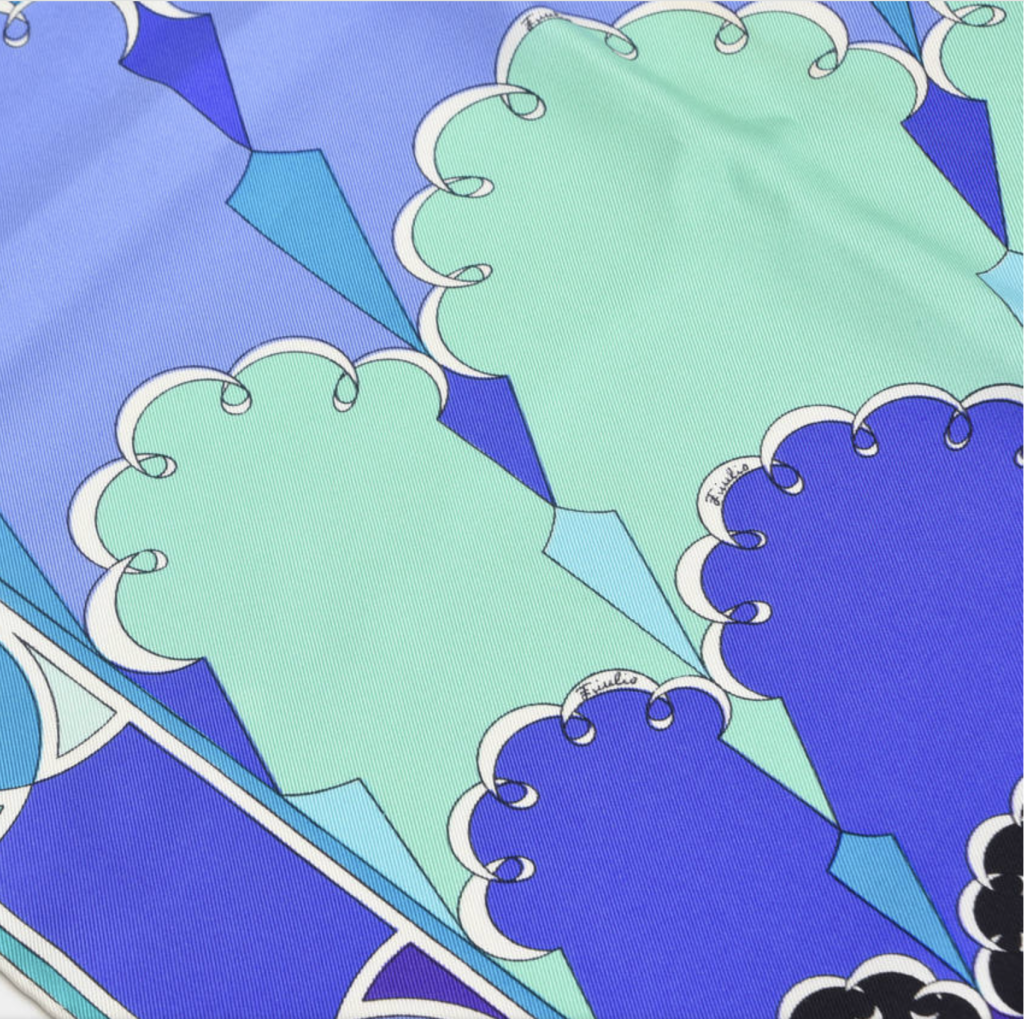
Qualité et savoir-faire : Précision et fluidité
When it comes to craftsmanship, both brands uphold high standards, but with different approaches. This dedication to precision is something we closely adhere to in our own Docsun Design Pattern protocols.
Hermès scarves are renowned for their rigorous production process. Each design takes up to 18 months from concept to final product, using traditional screen-printing techniques. A single scarf may involve up to 45 separate colour applications. The silk is weighty, with a signature firmness and hand-rolled edges sewn with the tiniest precision.
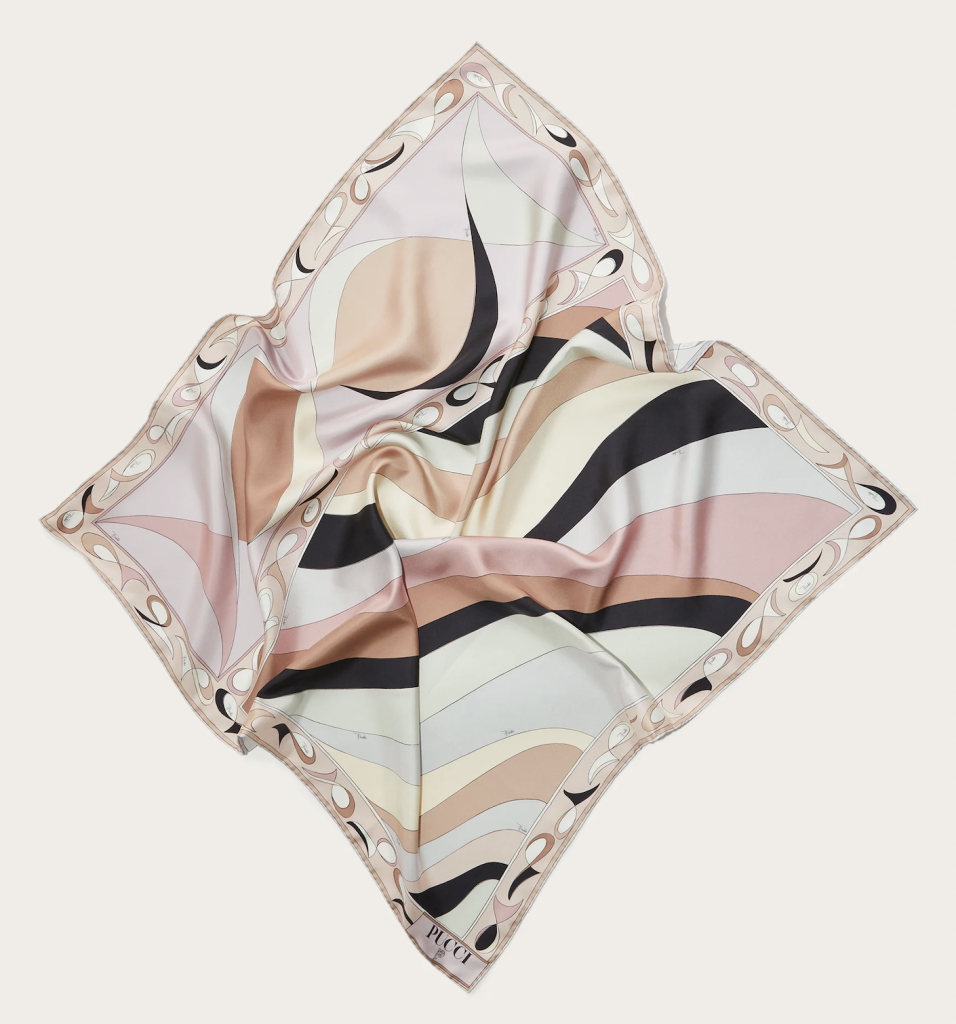
Pucci silk scarves, while equally luxurious, offer a more fluid and wearable feel. The silk twill or silk jersey used is lighter, reflecting the brand’s focus on movement and comfort. The scarves often feel like they’re made for everyday wear, where elegance doesn’t compromise ease.
From Inspiration to Reality: Create Your Own Icon
Whether you admire the intricate storytelling of Hermès or the vibrant energy of Pucci, the key to a successful silk scarf lies in the perfect combination of design and printing technology. At Docsun Home and Living, we help brands bring their artistic visions to life.
We utilize advanced custom printing techniques, including high-precision digital printing that can reproduce the complex color gradients of a Pucci-style design or the fine details of a Hermès-style illustration. We have successfully assisted numerous designers in launching their own lines—you can view our past scarf custom cases to see the quality we deliver.
If you are looking for ready-to-sell options, our diverse scarf collection offers a range of premium silk scarves that meet the highest standards of luxury and durability.
Conclusion
While Hermès and Pucci both celebrate the artistry of silk scarves, they do so from vastly different vantage points. Hermès is a symbol of refined heritage—sophisticated, dignified, and eternal. Pucci, by contrast, is a burst of Mediterranean vitality—bold, liberating, and effortlessly chic.
Dans le monde de la mode en constante évolution, ces deux marques prouvent qu'un carré de soie, lorsqu'il est confectionné avec vision et âme, peut être bien plus qu'un simple accessoire - il peut être une identité.
Notre La grande notoriété dans les estampes celebrates the legacy of the world’s most famous textile and print pioneers. This series delves into their business story, timeless designs, and enduring influence on global fashion.
Autres articles dans cette série :
10 Famous William Morris Patterns
William Morris: The Visionary Behind History’s Designs
How Missoni and Marimekko Changed Fashion
The Story of Marimekko
Vera Neumann: A Timeless Visionary in Colour
Timeless Knitwear with Missoni Designs
Saddles to Silk: The Evolution of Hermès
The Art of Hermès Scarves
Liberty – The Fascinating History
If you have any questions about silk craftsmanship, manufacturing process, or need further cooperation, please send us an email at vip@docsunhomeandliving.com.
You can also visit our official website Docsun Home and Living for more outfit guidance.
Frequently Asked Questions
What is the main difference between Hermès and Pucci scarves?
The main difference lies in their design philosophy: Hermès focuses on narrative storytelling, equestrian themes, and intricate details, while Pucci is known for bold, geometric, psychedelic prints and vibrant colors representing movement.
Which silk fabric does Hermès use compared to Pucci?
Hermès typically uses a heavier, structured silk twill famous for its crisp hand-rolled edges. Pucci often utilizes lighter silk twill or silk jersey, prioritizing fluidity and comfort for a jet-set lifestyle.
Can Docsun manufacture scarves in these styles?
Yes, Docsun Home and Living specializes in high-end custom printing. We can reproduce the intricate details of a Hermès-style design or the vibrant color gradients of a Pucci-style print using advanced digital technology.
2024.11-300x300.png "Hermès vs Pucci: The Tale of 2 Famous Icons in Silk Scarves 8")