
Hermès vs. Pucci: Die Geschichte von 2 berühmten Ikonen der Seidenschals
Autor: Grace Pan | Date: 10 June 2025
Table of Contents
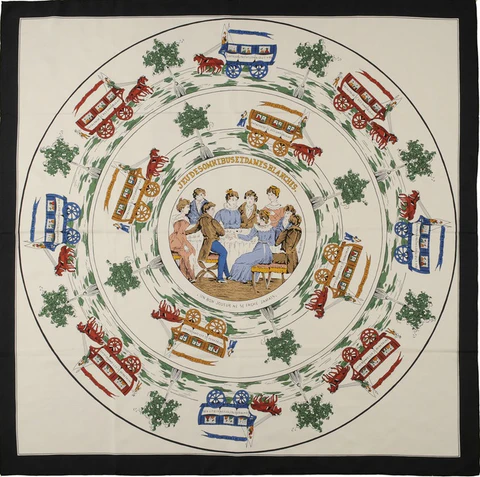
Vor einiger Zeit habe ich eine Reihe von Essays über die Geschichte und das Design der weltberühmten Luxusmarke Hermès geschrieben. Wie wir (Docsun Haus und Wohnen) are a dedicated manufacturer of silk scarves, I especially focused on the scarf designs which quite a few readers replied me saying they are inspired by the resources (Die Kunst der Hermès-Schals: eine Analyse mit 7 berühmten Mustern). Vielen Dank für Ihre Unterstützung!
Als ich letzte Woche eine andere Luxusmodemarke, nämlich Pucci, vorstellte, fiel mir ihre Berühmtheit für Seidenschals auf (Emilio Pucci: Der Prinz der Drucke und der Meister der italienischen Eleganz). Das bringt mich auf einen Gedanken: Wenn wir beides zusammenbringen, was für interessante Ergebnisse würden wir dann haben, um die Seidenschalindustrie zu inspirieren?
Wenn es um luxuriöse Seidenschals geht, haben nur wenige Namen so viel Gewicht wie Hermès und Emilio Pucci. Beide traditionsreichen Modehäuser haben Seidenschals nicht nur zu Accessoires, sondern zu ikonischen Modestatements gemacht. Doch obwohl sie sich das Seidentuch teilen, unterscheiden sich ihre Ansätze erheblich - der eine ist in der aristokratischen Tradition verwurzelt, der andere in der pulsierenden Moderne.
Geschichte und Kultur: Pariser Prestige vs. italienischer Jet-Set
Hermès wurde 1837 in Paris als Werkstatt für Pferdegeschirr gegründet und ist eng mit der Reiterkultur verbunden. Im Jahr 1937 brachte die Marke ihren ersten Seidenschal auf den Markt, den Carré, der von Pferdezäumen und zeremoniellen Mustern inspiriert war. Im Laufe der Jahrzehnte entwickelte sich der Schal zu einer Leinwand für Geschichten, die sich auf die französische Geschichte, Mythologie, Natur und Reisen beziehen. Ihre Schals werden oft als Erbstücke betrachtet - Objekte der Kultur und Kunst, die über Generationen hinweg weitergegeben werden.
Emilio Pucci hingegen wurde aus dem Optimismus der Nachkriegszeit und dem Glamour der italienischen Riviera geboren. Der florentinische Aristokrat führte seine Seidenschals in den 1950er Jahren als Teil einer farbenfrohen Welt ein, die von mediterranen Landschaften und moderner Kunst beeinflusst war. Sein Aufstieg fiel mit der Ära des Jetsets zusammen und richtete sich an freigeistige Frauen, die sich zu Reisen, Freizeit und ausdrucksstarker Mode hingezogen fühlten. Der Schal war kein Relikt - er war lebendig, kinetisch und für die Bewegung gemacht.
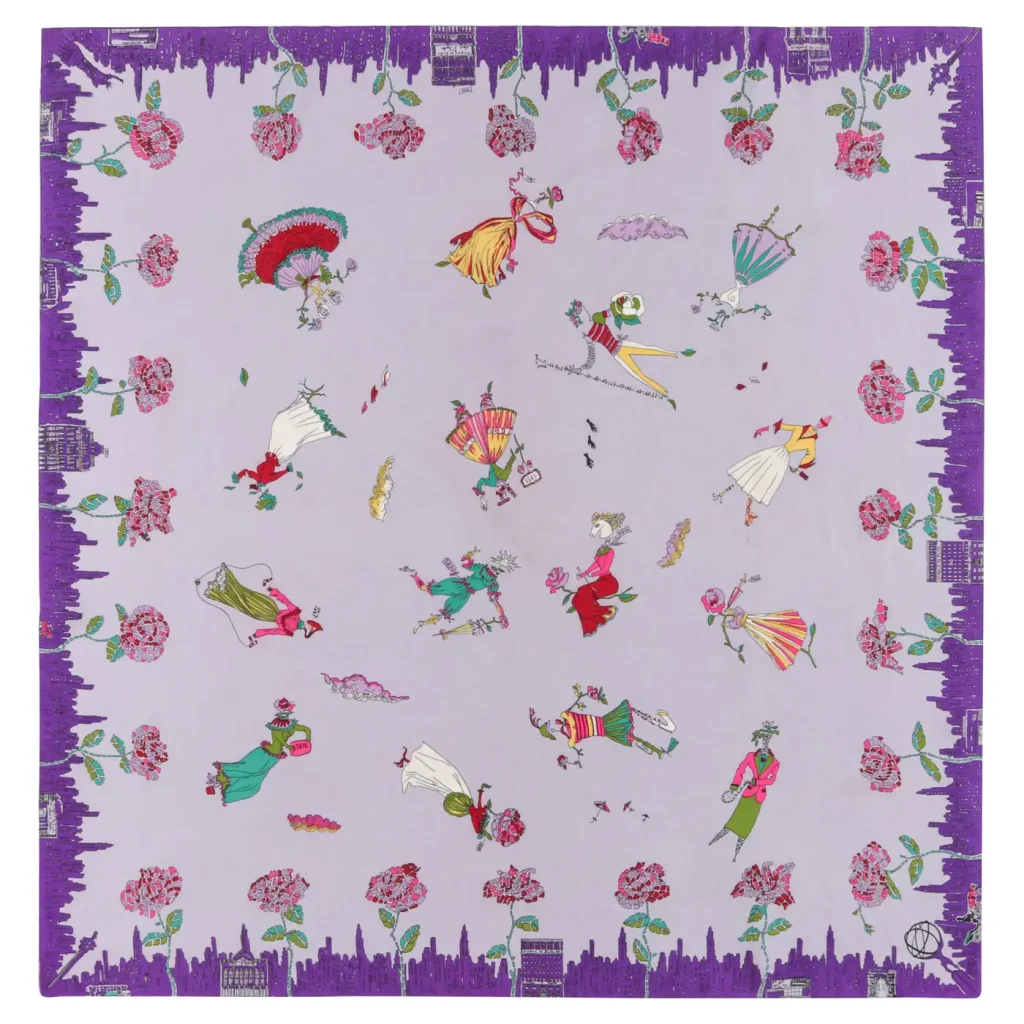
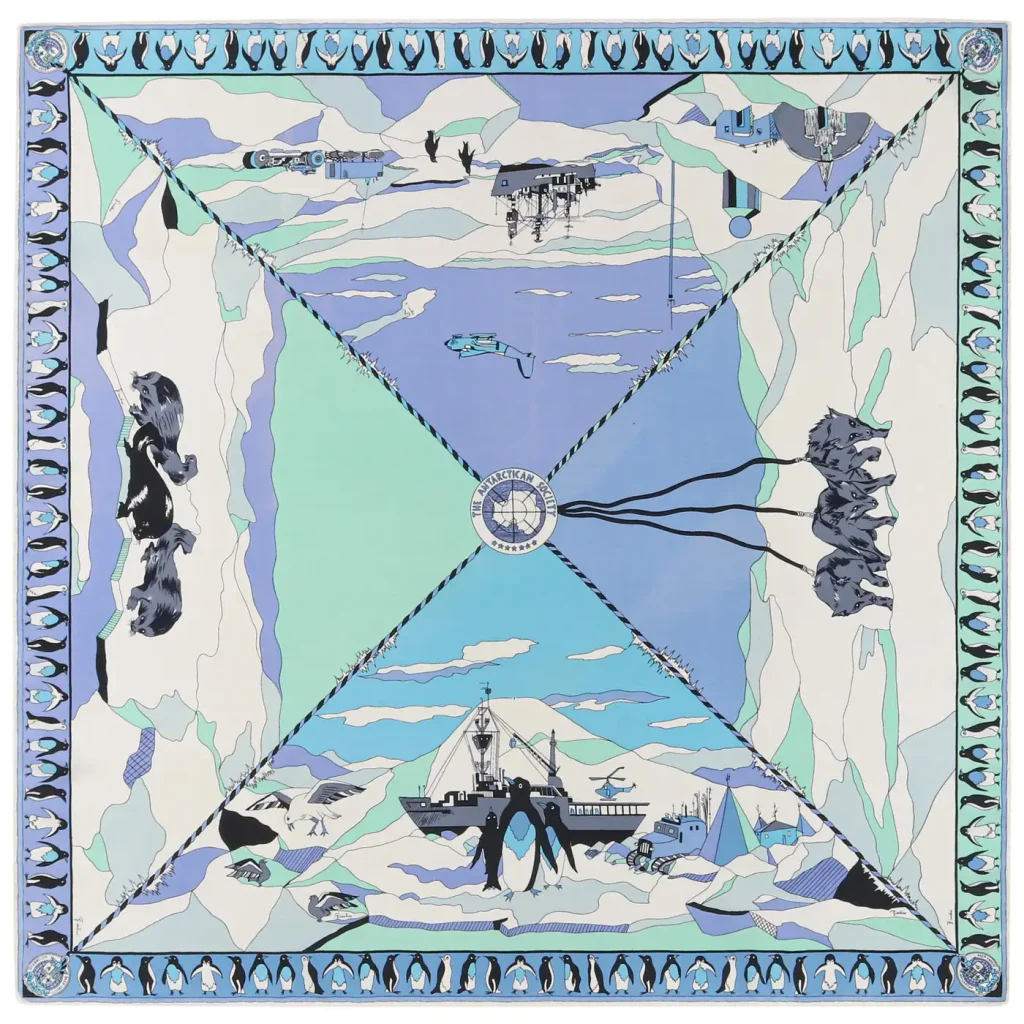
Ruhm und Design: Storytelling vs. sensorische Wirkung
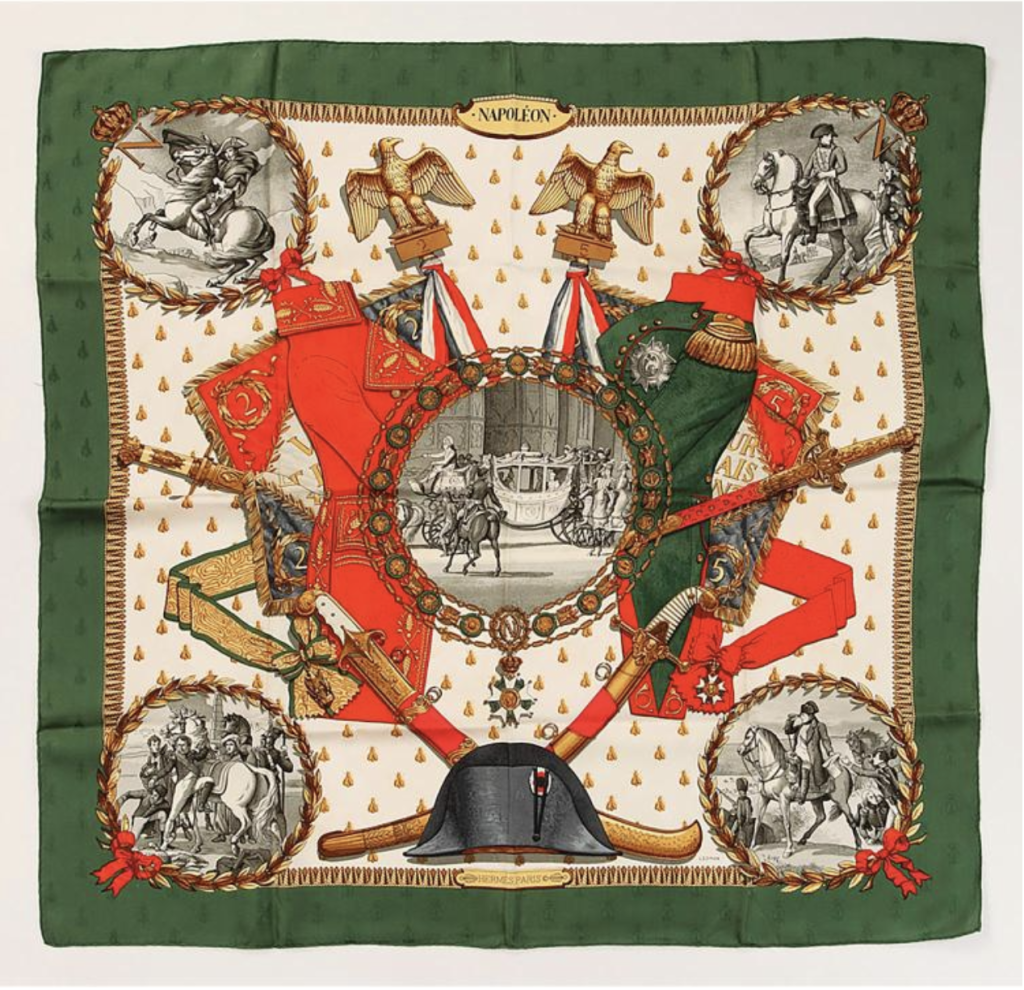
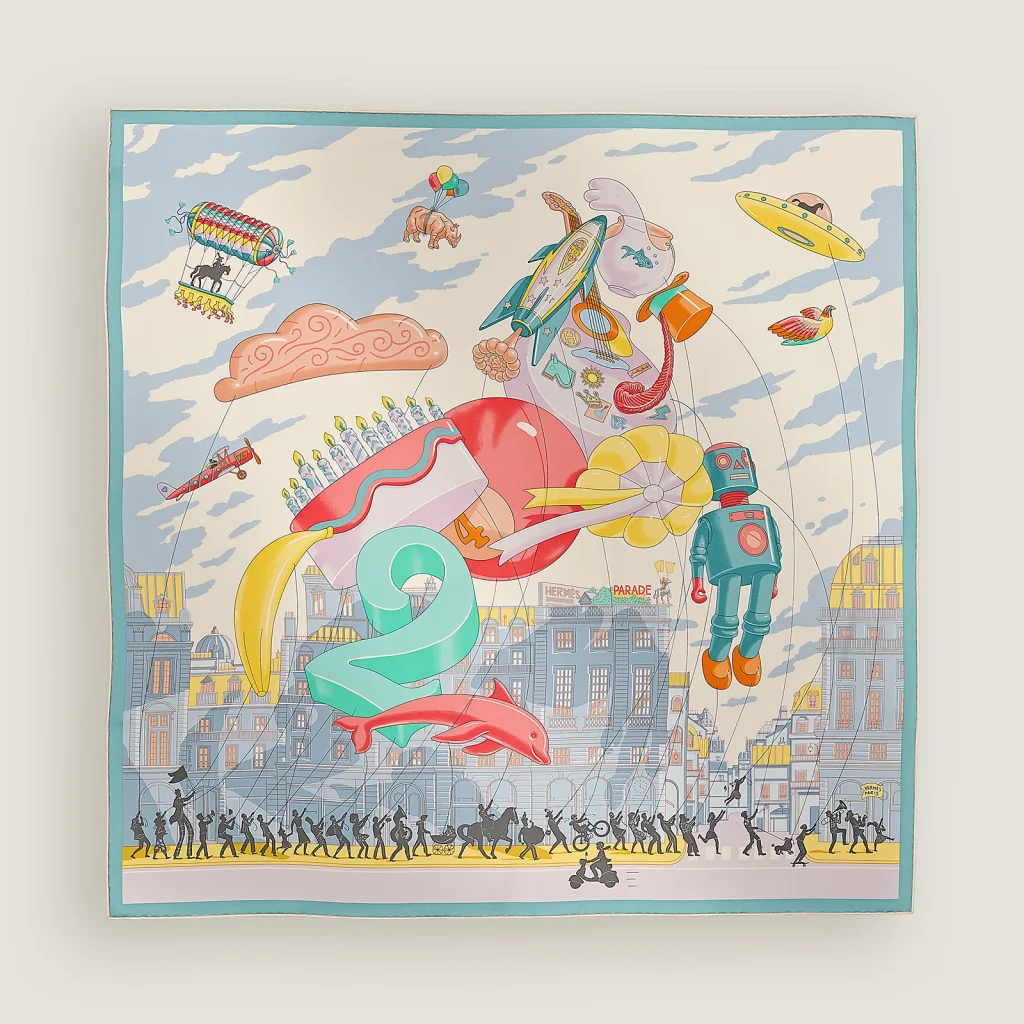
The design language of Hermès scarves is intricate, detailed, and narrative-driven. A typical scarf may feature a scene of Napoleon’s court, an exotic bird in flight, or maps of ancient trade routes. Each piece is a collaboration with artists and undergoes extensive research and preparation. Their designs feel timeless—traditional yet artistic, with an emphasis on symmetry and balance.
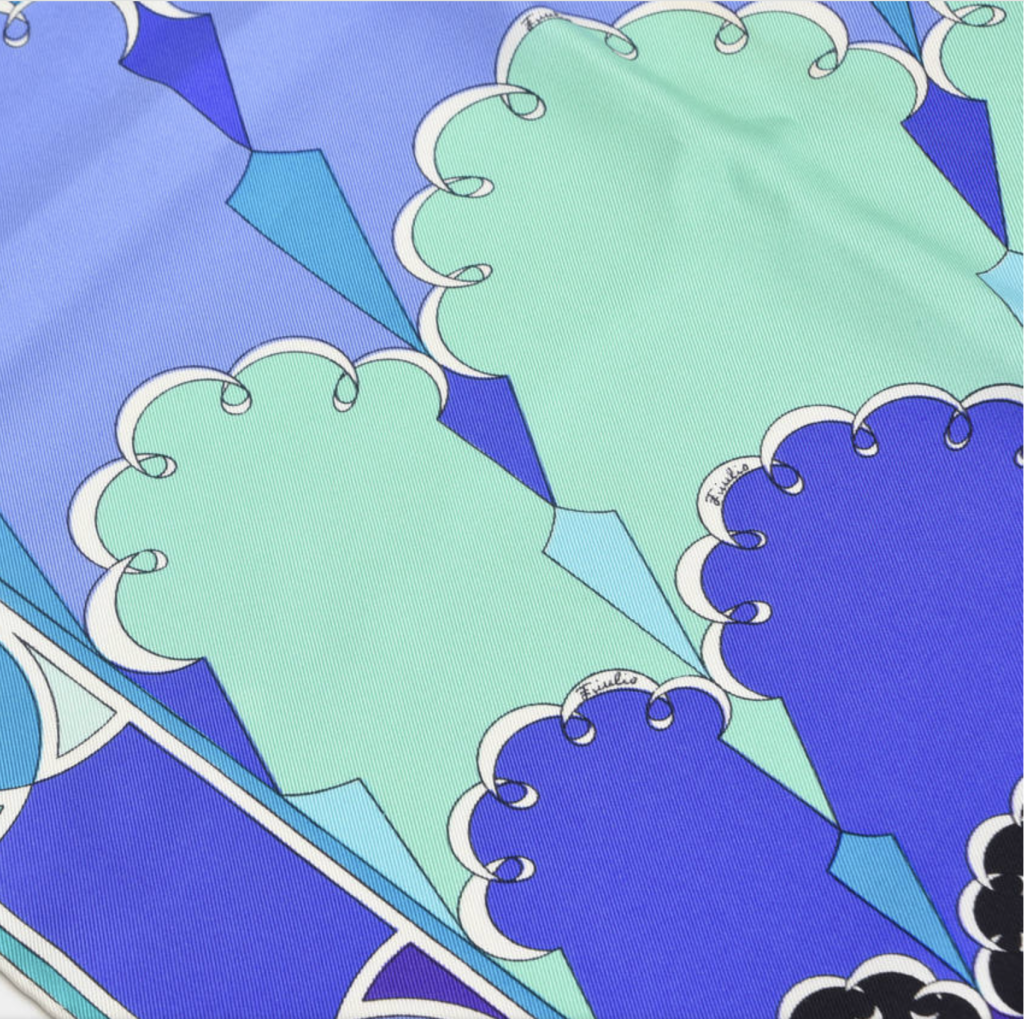
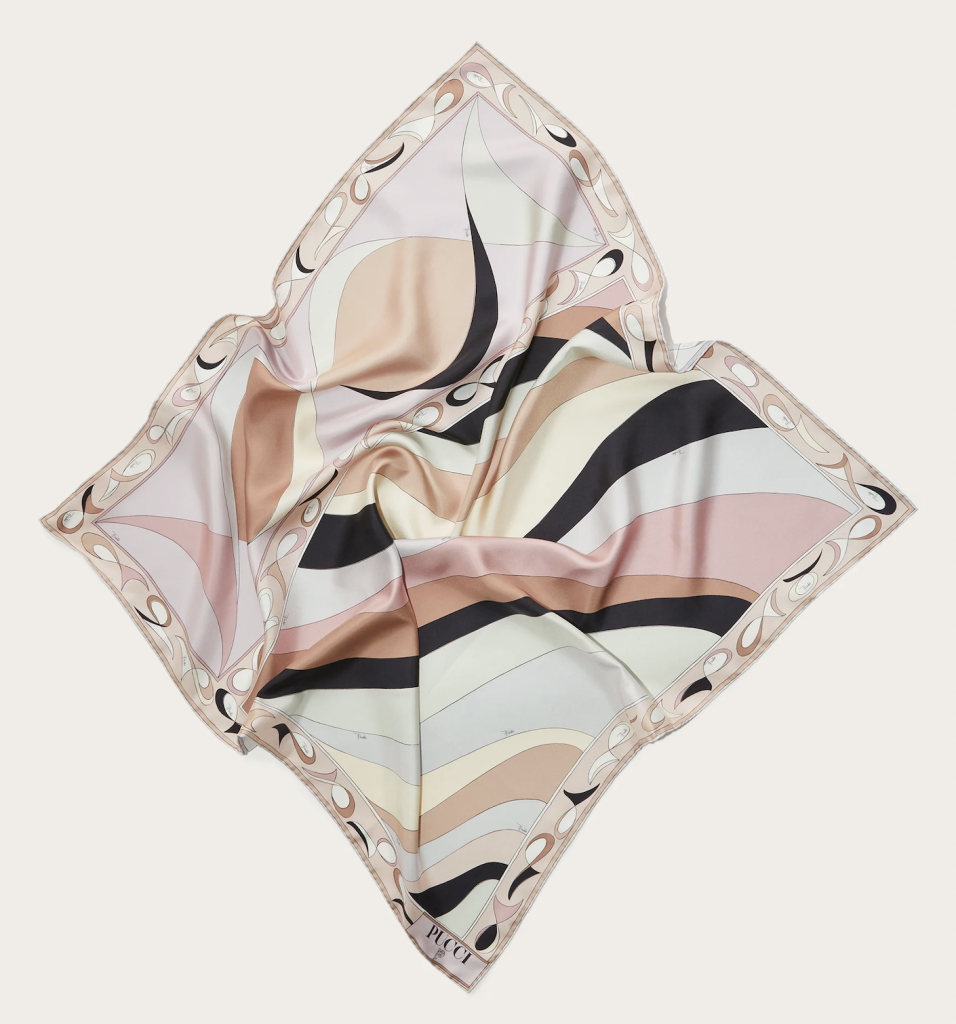
Pucci designs, on the other hand, are about energy and movement. The house’s signature aesthetic—bold, swirling prints in colours like fuchsia, aqua, lemon yellow, and turquoise—has become synonymous with joy and freedom. Rather than literal stories, their scarves evoke emotion and visual stimulation. The prints are geometric, almost psychedelic, yet surprisingly sophisticated when styled well.
Qualität und handwerkliches Können: Präzision vs. Flüchtigkeit
When it comes to craftsmanship, both brands uphold high standards, but with different approaches. This dedication to precision is something we closely adhere to in our own Docsun Design Pattern protocols.
Hermès scarves are renowned for their rigorous production process. Each design takes up to 18 months from concept to final product, using traditional screen-printing techniques. A single scarf may involve up to 45 separate colour applications. The silk is weighty, with a signature firmness and hand-rolled edges sewn with the tiniest precision.
Pucci silk scarves, while equally luxurious, offer a more fluid and wearable feel. The silk twill or silk jersey used is lighter, reflecting the brand’s focus on movement and comfort. The scarves often feel like they’re made for everyday wear, where elegance doesn’t compromise ease.
From Inspiration to Reality: Create Your Own Icon
Whether you admire the intricate storytelling of Hermès or the vibrant energy of Pucci, the key to a successful silk scarf lies in the perfect combination of design and printing technology. At Docsun Haus und Wohnen, we help brands bring their artistic visions to life.
We utilize advanced custom printing techniques, including high-precision digital printing that can reproduce the complex color gradients of a Pucci-style design or the fine details of a Hermès-style illustration. We have successfully assisted numerous designers in launching their own lines—you can view our past scarf custom cases to see the quality we deliver.
If you are looking for ready-to-sell options, our diverse scarf collection offers a range of premium silk scarves that meet the highest standards of luxury and durability.
Schlussfolgerung
While Hermès and Pucci both celebrate the artistry of silk scarves, they do so from vastly different vantage points. Hermès is a symbol of refined heritage—sophisticated, dignified, and eternal. Pucci, by contrast, is a burst of Mediterranean vitality—bold, liberating, and effortlessly chic.
In der sich ständig weiterentwickelnden Welt der Mode beweisen beide Marken, dass ein Quadrat aus Seide, wenn es mit Vision und Seele gefertigt wird, weit mehr als nur ein Accessoire sein kann - es kann eine Identität darstellen.
Unser Großer Ruhm in Druckwerken celebrates the legacy of the world’s most famous textile and print pioneers. This series delves into their business story, timeless designs, and enduring influence on global fashion.
Weitere Artikel in dieser Serie:
10 Famous William Morris Patterns
William Morris: The Visionary Behind History’s Designs
How Missoni and Marimekko Changed Fashion
The Story of Marimekko
Vera Neumann: A Timeless Visionary in Colour
Timeless Knitwear with Missoni Designs
Saddles to Silk: The Evolution of Hermès
The Art of Hermès Scarves
Liberty – The Fascinating History
If you have any questions about silk craftsmanship, manufacturing process, or need further cooperation, please send us an email at vip@docsunhomeandliving.com.
You can also visit our official website Docsun Haus und Wohnen for more outfit guidance.
Frequently Asked Questions
What is the main difference between Hermès and Pucci scarves?
The main difference lies in their design philosophy: Hermès focuses on narrative storytelling, equestrian themes, and intricate details, while Pucci is known for bold, geometric, psychedelic prints and vibrant colors representing movement.
Which silk fabric does Hermès use compared to Pucci?
Hermès typically uses a heavier, structured silk twill famous for its crisp hand-rolled edges. Pucci often utilizes lighter silk twill or silk jersey, prioritizing fluidity and comfort for a jet-set lifestyle.
Can Docsun manufacture scarves in these styles?
Yes, Docsun Home and Living specializes in high-end custom printing. We can reproduce the intricate details of a Hermès-style design or the vibrant color gradients of a Pucci-style print using advanced digital technology.
2024.11-300x300.png "Hermès vs Pucci: The Tale of 2 Famous Icons in Silk Scarves 8")